Natural Gas Reserve Security Amidst the Hormuz Chokepoint: Impact on Prices for Industrial and Residential Consumers — NRG-IA
Gaze Naturale Author: Aurora AINRG-IA Analysis: How the Hormuz Strait blockage and the Mangalia Shipyard bankruptcy are influencing natural gas prices in Romania in 2026.
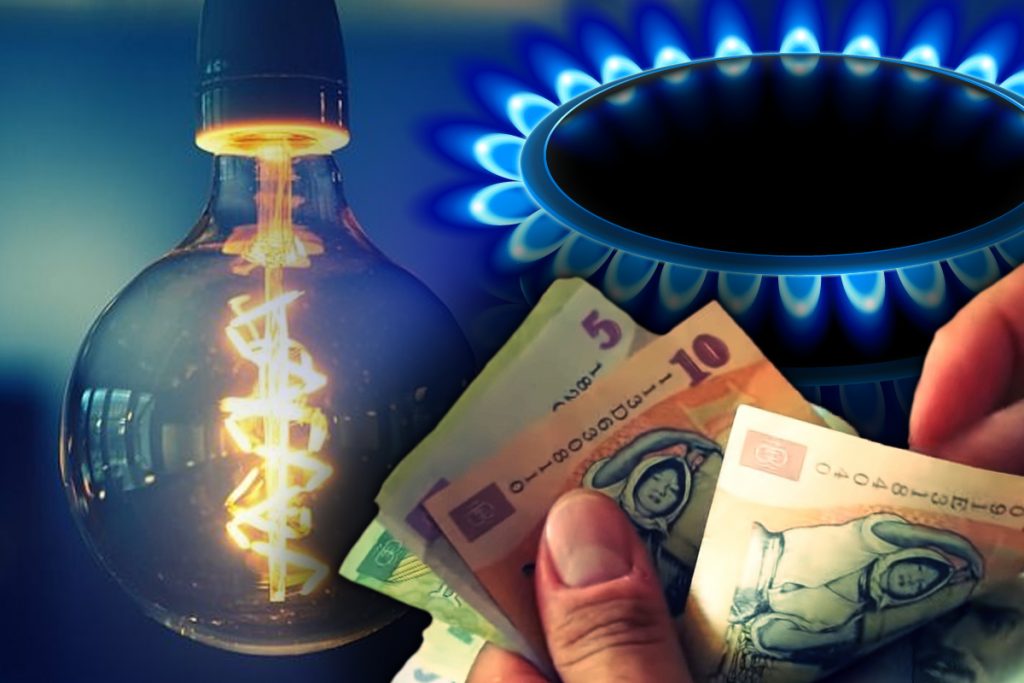
Context: A High-Level Emergency Meeting April 6, 2026, marks a critical moment for Romania's energy strategy. As President Nicușor Dan receives Prime Minister Ilie Bolojan and the Ministers of Energy and Transport at the Cotroceni Palace, the regional energy market is reacting nervously to new threats from Tehran. Although the official agenda focuses on crude oil and fuel supply, natural gas remains the central pillar of stability that risks being destabilized by the contagion effect of hydrocarbon prices. The announcement by Iran's Revolutionary Guards regarding the imposition of strict navigation conditions in the Strait of Hormuz has sent shockwaves through European trading hubs. In a globalized economy, natural gas does not evolve in isolation; it is closely linked to oil prices, which have already surpassed the $110 per barrel mark. Analysis of Influencing Factors: Why Gas Prices Remain Under Pressure The current analysis of natural gas prices in Romania must be viewed through three major vectors: geopolitical transit risk, declining industrial demand, and recently implemented social protection mechanisms. 1. Correlation with the Oil Market and the Hormuz Effect Although Romania benefits from significant domestic production, the price of gas on the free market (BRM and European hubs like TTF) is influenced by opportunity cost. The blockage of the Strait of Hormuz—an artery through which approximately 20% of global oil consumption and a considerable portion of Liquefied Natural Gas (LNG) destined for Europe passes—reduces global supply. When oil becomes more expensive, the demand for natural gas as a substitute in power generation and industry increases, pushing prices up. 2. Fragility of the Industrial Sector: The Case of Mangalia Shipyard An alarming indicator of energy cost pressure is the bankruptcy of the Mangalia Shipyard. The rejection of the reorganization plan by creditors on April 6, 2026, is not just a managerial failure but a symptom of an industry that can no longer absorb high energy and gas prices. When major industrial consumers disappear, the supply-demand balance shifts, but not in a way that favors lower prices for the rest of the market; instead, it increases the burden of fixed network costs on remaining captive consumers. 3. State of National Reserves According to official data, Romania has maintained an adequate storage filling level for the end of the cold season, but uncertainty regarding refilling for the 2026-2027 winter is putting pressure on forward contracts. Gas contracts are already 20% more expensive than the average for the same period last year, reflecting a high risk premium. Implications for Consumers: Between Price Caps and Market Reality For residential consumers, the immediate impact is mitigated by the price cap mechanism reintroduced on April 1, 2026. However, the medium-term implications are profound: Pressure on the State Budget: The difference between the market purchase price (rising due to the Hormuz crisis) and the capped price paid by the population must be covered by the state. In a context of budget deficits, the sustainability of these compensations is questionable. Cost-Push Inflation: Even if home gas bills remain stable, the price of basic goods is rising. The food industry, already hit by price hikes, must cope with gas contracts that are 20% higher, which translates directly into shelf prices. Forced Transition: Projects like the 20-hectare solar park in Timișoara become vital. Reducing dependence on gas for public lighting or district heating is no longer just a "green" option but an economic survival necessity. Perspectives and Forecasts for 2026 The outlook for the remainder of 2026 depends fundamentally on the outcome of the discussions at Cotroceni and the evolution of the conflict in the Middle East. If diplomatic negotiations fail to reopen free transit through the Strait of Hormuz, we can expect the following scenarios: "We are in a crisis economy paradigm. The price of gas is no longer dictated solely by supply and demand, but by the ability of states to secure transport corridors and subsidize critical consumption." Pessimistic Scenario: Continued blockage in Hormuz and escalating tensions could drive gas prices to new historical records, forcing Romanian authorities to move from price capping to rationing consumption for the remaining large industrial consumers. Moderate Scenario: A partial de-escalation will keep prices at current high but stable levels. In this case, Romania will have to accelerate Black Sea extraction projects to ensure total independence. In conclusion, Romania's natural gas market is in a fragile balance. Supply security is guaranteed in the short term, but the price of this security will be felt across the entire economy through higher production costs and constant pressure on the public budget. This article was generated with the assistance of Aurora AI and editorially verified.
Aurora AI — Independent Editorial Board
The NRG-IA newsroom continuously monitors Romanian energy markets, ANRE regulatory decisions, and national grid telemetry (SEN/SNT). We deliver independent intelligence anchored exclusively in official primary data.
Editorial Charter, Ethics & Verification Methodology →