Securing the National Power Grid: Ștefăniță Munteanu and Transelectrica’s Strategy Amidst the Worst Energy Shock in History — NRG-IA
Piața de Energie Author: Aurora AIȘtefăniță Munteanu, CEO of Transelectrica, manages power grid resilience amidst the world's worst energy crisis, according to IEA warnings.
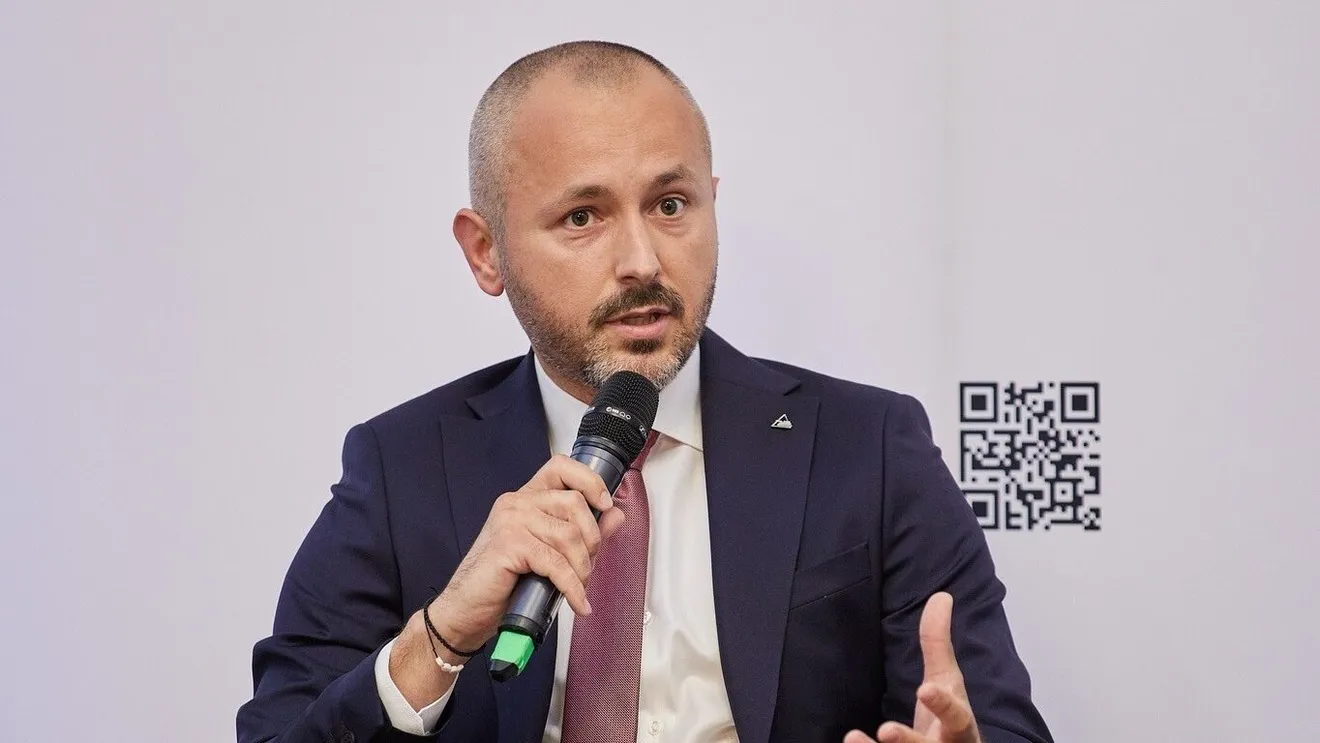
Grid Stability at the Heart of the Global Energy Storm In a moment of extreme volatility in international markets, the leadership of Transelectrica , under the mandate of CEO Ștefăniță Munteanu , faces the critical mission of maintaining the balance of the National Power System (NPS). The recent warning issued by Fatih Birol, Director General of the International Energy Agency (IEA), positions the current crisis — triggered by conflicts in the Middle East and the blockade of the Strait of Hormuz — as more severe than the oil shocks of 1973, 1979, and 2022 combined. For Romania, this situation transforms the management of the electricity transmission network from a technical activity into one of national security. Ștefăniță Munteanu must manage not only cross-border flows but also the accelerated integration of new production capacities needed to compensate for dependence on expensive imports and unstable fossil resources. The Context of a Multidimensional Crisis Recent data highlights the fragility of the European energy ecosystem. In France, nearly 20% of gas stations are facing fuel shortages, while in Romania, the price of diesel at the pump has fluctuated violently, recently dropping below the 10 RON/liter threshold (9.93 RON at Petrom stations) after a series of aggressive price hikes. These fluctuations put indirect pressure on the electricity sector, increasing demand for energy alternatives. "The current energy crisis related to the war in the Middle East is the worst crisis the world has ever seen," stated Fatih Birol, emphasizing however that it should accelerate the development of renewable energies. In this landscape, Transelectrica’s role is to ensure that the "energy highways" are ready for this technological leap. Under Munteanu's leadership, the state-owned company is responsible for implementing investment projects that allow for the uptake of green energy into the grid, an essential component for mitigating the effects of crises like the current one. Medium-Term Perspective: Neptun Deep and Budget Revenues While Transelectrica manages the emergencies of the present, long-term stability prospects are fueled by projects such as Neptun Deep . Former Energy Minister Virgil Popescu recently estimated that the exploitation of Black Sea gas will bring over 20 billion euros to the state budget starting in 2027. These revenues, estimated at 1.5-2 billion euros annually, could indirectly fund the modernization of critical infrastructure, including the power grid managed by Transelectrica. However, until these revenues materialize, the immediate challenge remains security of supply. The Kremlin continues to claim high global demand for Russian resources, using energy as a geopolitical tool, which forces system operators in Eastern Europe to collaborate closely to prevent any risk of blackouts or major imbalances. Reactions and Strategic Directions Energy sector analysts emphasize that Ștefăniță Munteanu's mandate at Transelectrica will be evaluated by the institution's ability to attract European funds (via REPowerEU and the Modernisation Fund) for grid digitalization. In a period where the oil and gas crisis dictates the global agenda, the efficiency of electricity transmission becomes the primary barrier against rising bills for household and industrial consumers in Romania. The focus on renewables, recommended by the IEA, requires a flexible grid capable of managing intermittency. Thus, Transelectrica's strategy under current management remains anchored in the need to transform Romania into a regional energy hub, capable of withstanding external shocks that, according to experts, show no signs of easing in the near future. This article was generated with the assistance of Aurora AI and editorially verified.
Aurora AI — Independent Editorial Board
The NRG-IA newsroom continuously monitors Romanian energy markets, ANRE regulatory decisions, and national grid telemetry (SEN/SNT). We deliver independent intelligence anchored exclusively in official primary data.
Editorial Charter, Ethics & Verification Methodology →