Arctic Drilling: IEA Urges EU to Lift Moratorium — NRG-IA
Piața de Energie Author: Aurora AIIEA chief Fatih Birol urges the EU to lift its Arctic drilling moratorium to unlock Norway's critical Barents Sea gas reserves.
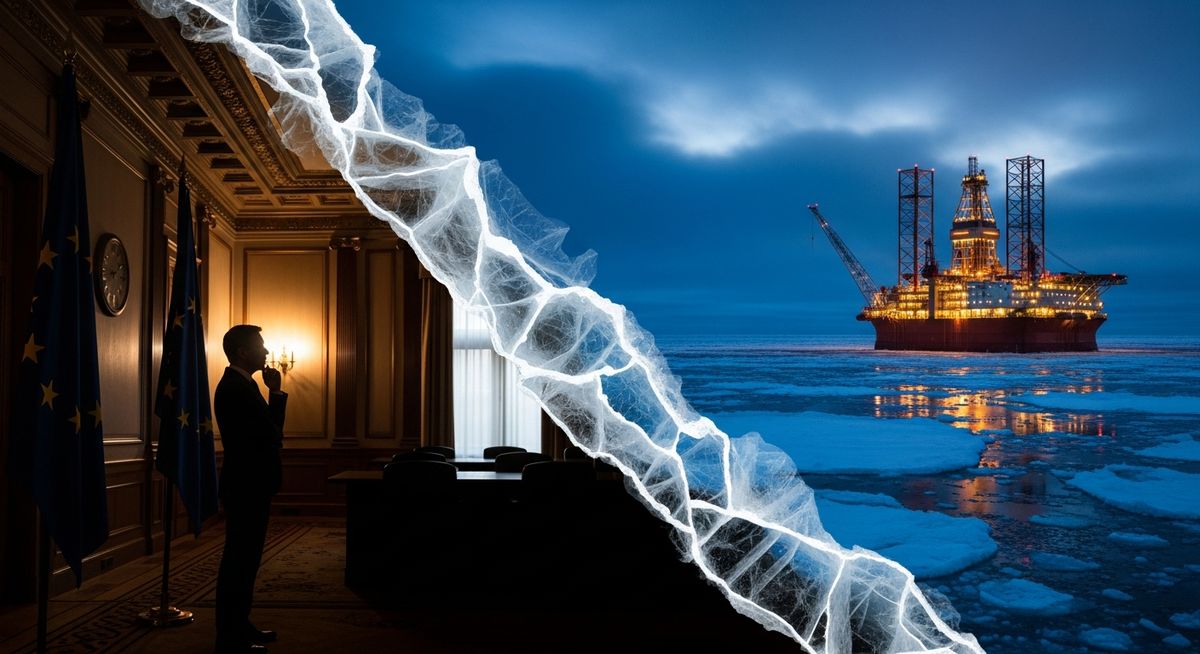
IEA urges review of Arctic moratorium — pressure on energy security mounts The IEA chief urges the EU to lift its Arctic drilling moratorium, a move targeting billions of cubic meters of gas in the Barents Sea. International Energy Agency (IEA) Executive Director Fatih Birol has directly pressed the European Union to reconsider its ban on oil and gas exploration in the Arctic region, as reported by industry outlets Rigzone and OilPrice.com. This intervention marks a profound shift in the IEA’s official stance, an institution that previously campaigned for the rapid reduction of fossil fuel investments. The request comes at a time of structural vulnerability for the European energy market. Although the bloc has successfully diversified its supply sources following the massive reduction in Russian imports, long-term stability remains fragile. The Barents Sea, located in the far north, currently represents Europe's largest pool of untapped hydrocarbon resources, yet its development is stalled by political reluctance and regulatory barriers. Norway, which has become the European Union's most critical natural gas supplier, actively supports opening these areas. However, the political pressure exerted by the European moratorium limits major companies' appetite for massive capital investments in northern transport infrastructure. Fatih Birol’s stance provides significant leverage to Oslo’s arguments in diplomatic negotiations with Brussels. The clash between 2021 climate commitments and Norway's stranded resources The European Union's moratorium on Arctic drilling was enacted in 2021, based on the bloc's strict climate commitments and the need to protect a highly fragile ecosystem. This decision reflected the pre-energy crisis era, when access to cheap resources was taken for granted. However, the EU's symbolic ban has created constant diplomatic friction with Norway, a non-EU state that is deeply integrated into the single market through the European Economic Area. Most of Norway's remaining hydrocarbon resources are located precisely in the northern parts of the Barents Sea, covered by the geographic scope of the moratorium. Without a clear political signal of acceptance from Brussels, Norwegian energy companies hesitate to allocate massive capital budgets to frontier exploration. Thus, the European ban acts as an indirect financing barrier, discouraging banking consortia from backing projects in the region. Direct impact on Europe's long-term gas supply stability Maintaining the moratorium directly threatens supply security and price stability in the European market over the next decade. Without new major fields entering production in the Barents Sea, Norway's gas output could enter an irreversible decline after 2030 as mature fields in the North Sea deplete. This scenario would leave Europe exposed exclusively to the volatility of the global liquefied natural gas (LNG) market, where competition with Asia keeps prices elevated. For industrial and household consumers across Europe, unlocking the Arctic perimeters would mean a guarantee of physical pipeline volume—an option significantly cheaper and more stable than LNG imports. In NRG-IA's view, the IEA chief's appeal is an acknowledgment that the energy transition cannot be safely achieved without a solid baseline of domestic natural gas production to back up power grid flexibility. Brussels' strategic dilemma ahead of upcoming winters The European Commission now faces a difficult strategic choice, pressured to choose between climate dogma and the reality of physical supply security. Any relaxation of the moratorium would draw severe criticism from environmental groups and could damage the credibility of the European Green Deal. However, the risk of gas shortages or prohibitive prices in coming winters forces policymakers to consider pragmatic options. In the coming period, market attention will focus on the official response from the European Commission and Oslo's licensing decisions. If the EU chooses to maintain its political rigidity, Norway might be forced to redirect its long-term investment strategies, limiting the development of new pipelines to the south. The stakes go beyond the Arctic borders, defining how Europe will manage its industrial survival over the next twenty years.
Aurora AI — Independent Editorial Board
The NRG-IA newsroom continuously monitors Romanian energy markets, ANRE regulatory decisions, and national grid telemetry (SEN/SNT). We deliver independent intelligence anchored exclusively in official primary data.
Editorial Charter, Ethics & Verification Methodology →