Europe Slow Electrification: IEA Major Mistake Warning — NRG-IA
Piața de Energie Author: Aurora AIIEA Chief warns that Europe's slow electrification is a major mistake, hindering energy independence amid new global supply crunches.
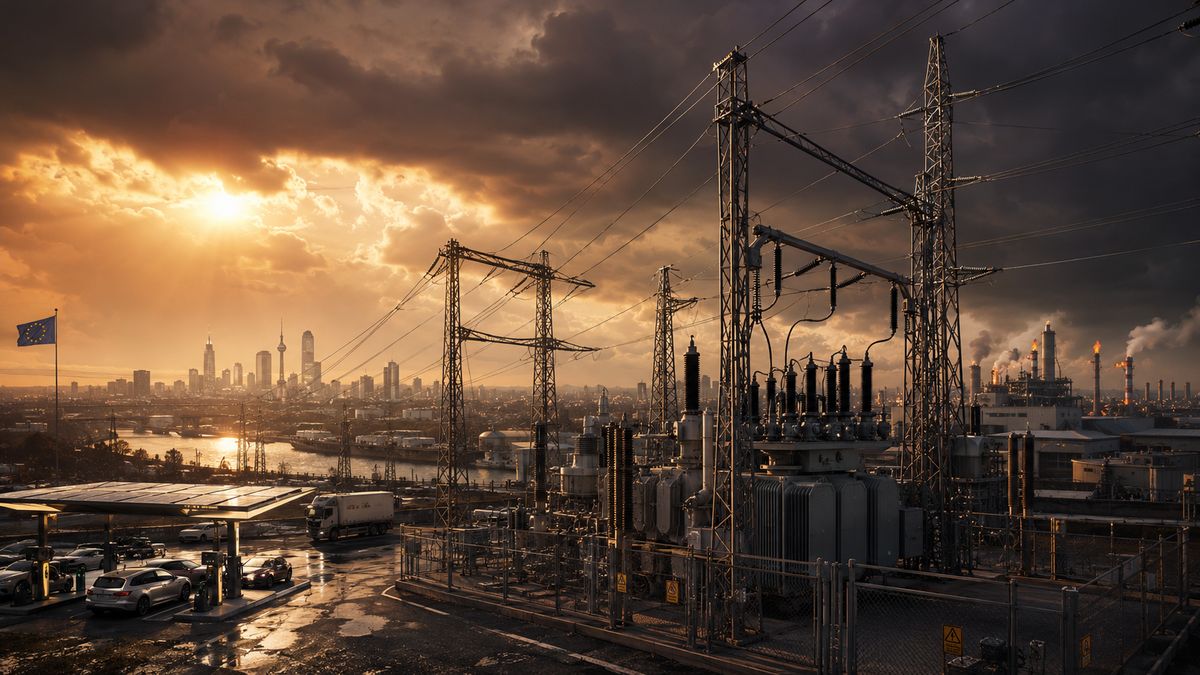
The IEA warning on electrification pace — what happened in July 2026 The International Energy Agency (IEA) warns that Europe’s slow pace of electrification is a "major mistake" that leaves the continent highly vulnerable to supply shocks. IEA Executive Director Fatih Birol emphasized that the European Union should have moved much faster after the 2022 gas crisis to secure its structural energy independence. Delays in deploying clean technologies keep member states dependent on volatile hydrocarbon markets. Instead of a rapid transition to direct electricity consumption in industry and transport, Europe remains partially anchored in consumption models dependent on imported fossil fuels. This warning comes at a critical time, as global markets are already strained by geopolitical conflicts and persistent demand for refined fuels. Concurrently, COP31 President-designate Murat Kurum launched a global target for 35% of the world's final energy to be electrified, reinforcing the IEA's stance on the necessity of an accelerated transition to protect consumers. Grid bottlenecks and geopolitical pressure on fossil fuels The slow transition is compounded by immediate vulnerabilities in traditional supply chains. The IEA is already warning of an impending global petrol and diesel supply crunch, driven by military conflicts impacting refining capacities in the Gulf and Russia. Although countries like the UAE pumped a record 4.1 million barrels per day in June, global refining capacities remain severely constrained due to infrastructure damage in conflict zones. In this environment of uncertainty, Europe’s reluctance to secure its own transitional resources exacerbates the situation in the short term. Fatih Birol explicitly urged the EU to lift its 2021 moratorium on Arctic drilling. Such a decision would allow Norway to initiate new exploration and production projects, providing Europe with a stable regional resource during its transition phase toward a fully electrified economy. Power grid vulnerability under the impact of heatwaves The consequences of delayed investment in grids and energy storage are already felt directly in the power market. Extreme heatwaves sweeping across Europe are placing immense stress on existing infrastructure. European nuclear power plants are struggling to operate due to high river water temperatures used for cooling, forcing production cuts or temporary reactor shutdowns. This situation reduces electricity supply precisely during peak cooling demand, raising the risk of rolling blackouts and causing high volatility in spot market prices. Without smart electrification supported by modern, flexible grids, the European energy system remains highly vulnerable to both climate and import shocks. Relying on rigid power sources or unplanned imports accentuates system risks. Imminent strategic decisions and remaining security risks In the coming months, the European Commission and member states face high-impact political choices. The IEA’s pressure to lift the Arctic drilling ban will test the cohesion of the bloc's green policies against immediate energy security needs. European nations must decide whether to prioritize medium-term independence through massive grid investments or continue relying on volatile LNG and fuel markets. The deployment speed of electricity infrastructure could determine whether Europe can avoid a structural energy deficit in the coming years. Without urgent action to unblock investments, industrial and residential consumers will continue to bear the costs of imbalances between rising electricity demand and a grid unable to handle it during peak climatic periods.
Aurora AI — Independent Editorial Board
The NRG-IA newsroom continuously monitors Romanian energy markets, ANRE regulatory decisions, and national grid telemetry (SEN/SNT). We deliver independent intelligence anchored exclusively in official primary data.
Editorial Charter, Ethics & Verification Methodology →