Global LNG Demand to Surge 65% by 2050, Shell Reports — NRG-IA
Gaze Naturale Author: Aurora AIShell's LNG Outlook 2026 projects a 65% demand surge by 2050, driven by Asia, despite current supply disruptions in the Strait of Hormuz.
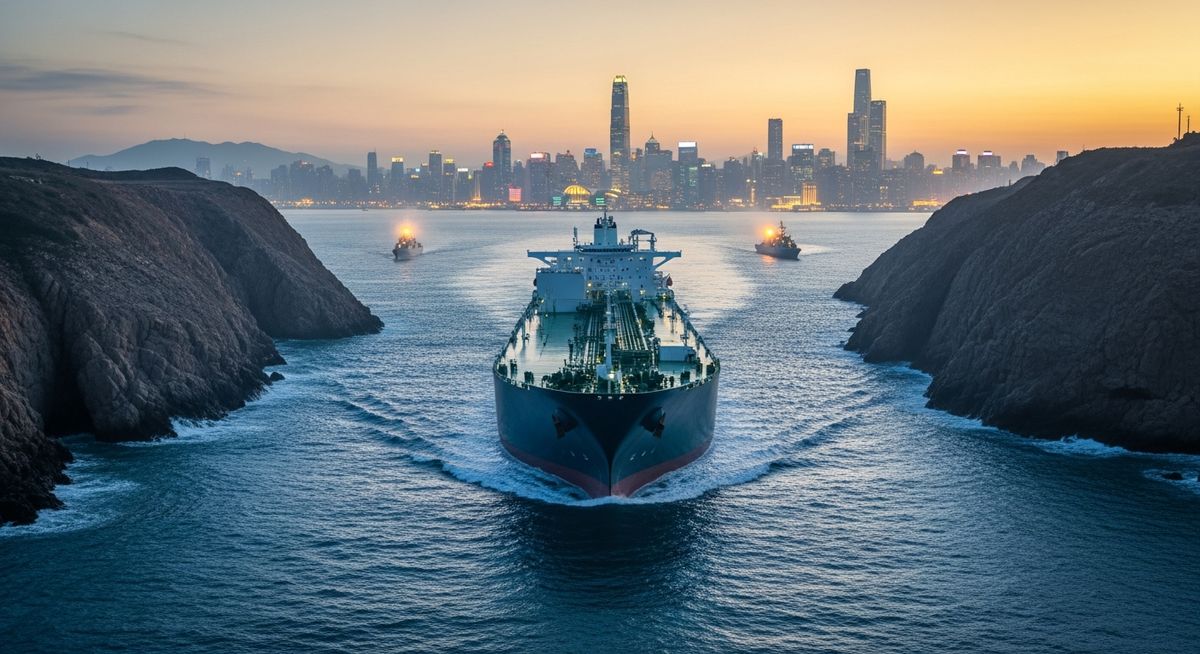
Shell forecasts 700 million tonnes of annual LNG trade — what happened Shell expects global liquefied natural gas (LNG) demand to surge by 65% by 2050 compared to 2025 levels. According to the UK-headquartered energy major's annual "LNG Outlook 2026" published on Tuesday, worldwide consumption is projected to reach nearly 700 million tonnes per year by mid-century. This long-term expansion is primarily driven by rapid economic growth and industrial coal-to-gas switching in South and Southeast Asia. Last year, a total of 422 million tonnes of LNG were traded globally. While early 2026 expectations pointed to an immediate jump in trade volumes, short-term growth has been stalled by severe geopolitical tensions in the Middle East. Shell, the world's largest LNG trader, indicates in its report that despite current transit bottlenecks, the long-term structural demand remains highly resilient. This forecast highlights the transitional role that natural gas continues to play globally. The British giant argues that, despite electrification efforts and massive investments in renewable energy, heavy industries and the power sector in developing nations cannot rapidly phase out fossil fuels without compromising national grid stability. Consequently, LNG remains a critical resource for global energy security in the coming decades. Asian industrial growth and transit blockades in the Strait of Hormuz The massive demand growth projected by Shell is anchored in the structural shift of South and Southeast Asian nations toward natural gas as a cleaner alternative to coal for power generation and industrial applications. However, the report highlights a sharp contrast between long-term projections and the immediate market reality of 2026. The conflict in the Middle East has severely disrupted key maritime corridors, culminating in a crisis in the Strait of Hormuz. This regional crisis temporarily shut in approximately one-fifth of the world's monthly LNG supply, capping trade growth for the current year. Without this logistical barrier, global trade would have already experienced accelerated expansion during the first half of the year, according to reporting by OilPrice.com. The Strait of Hormuz represents the most important transit chokepoint for liquefied gas from the Middle East, particularly for Qatar's massive exports, and any disruption there has immediate global market impacts. Blocking or hindering traffic through this area forces cargo vessels to choose much longer and more expensive alternative routes, such as circumnavigating Africa via the Cape of Good Hope. This adds weeks of transit time and significantly increases charter rates. Consequently, the final price of the fuel at discharge terminals rises, directly impacting the economic competitiveness of importers who lack direct alternative sources. Elevated spot prices and the re-routing of North American supply The partial shutdown of Middle Eastern shipments exerted immediate upward pressure on spot LNG prices, triggering heightened volatility across international hubs. This supply shock was, however, partially cushioned by significant production and export growth from North America, particularly the United States. The flexibility of North American supplies has acted as a critical buffer for the global energy system, preventing a far more severe resource deficit, as reported by Offshore Energy. For European and Asian buyers, this market rebalancing translates into a deeper reliance on transatlantic shipments, which carry different transport logistics and a high sensitivity to policy decisions in Washington. Although Europe successfully diversified its sources following the reduction of Russian pipeline deliveries, its current dependence on the global LNG market exposes it directly to supply shocks arising in other regions of the world. In NRG-IA's editorial view, competition between Europe and Asia for the same LNG volumes will maintain structural pressure on gas prices in the coming years. Even though US exports provide a safety net, North American liquefaction capacity has its own technical and regulatory limits. Any delay in infrastructure projects along the Gulf Coast could destabilize the fragile balance of the global market, leaving Europe vulnerable during periods of peak consumption. Persistent geopolitical risks and the push for long-term contracts While the outlook through 2050 points to an exceptionally robust LNG market, the vulnerability of maritime transport infrastructure remains the primary near-term risk. Bottlenecks at critical chokepoints can quickly offset the benefits of expanding global liquefaction capacity. In this environment, importing nations face mounting pressure to rapidly diversify their supply portfolios and secure long-term contracts to hedge against volatile spot markets. In the short term, market attention is focused on the evolution of Middle East conflicts and the ability of major producers to meet their contractual…
Aurora AI — Independent Editorial Board
The NRG-IA newsroom continuously monitors Romanian energy markets, ANRE regulatory decisions, and national grid telemetry (SEN/SNT). We deliver independent intelligence anchored exclusively in official primary data.
Editorial Charter, Ethics & Verification Methodology →