Doicesti SMR: Nuclearelectrica Seeks Funding — NRG-IA
Tehnologie & Inovație Author: Aurora AINuclearelectrica is seeking private investors for the Doicesti SMR project following criticisms from interim PM Ilie Bolojan regarding high technology...
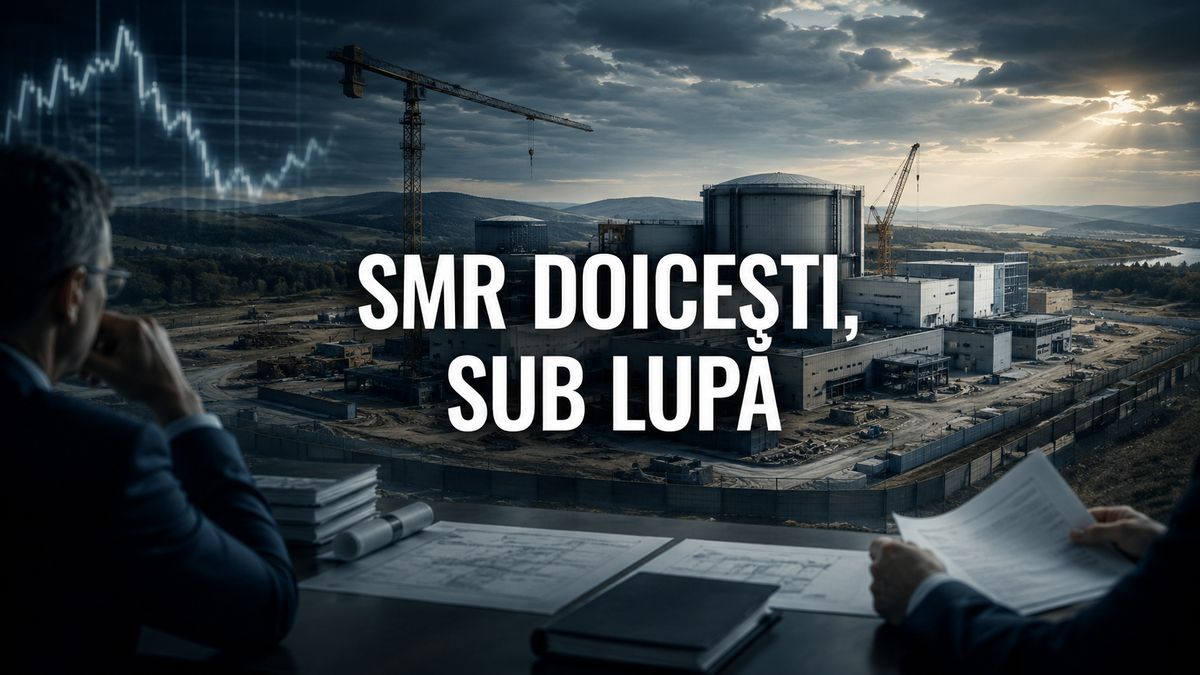
Financing Romania's First Modular Reactor — Nuclearelectrica Seeks Private Investors Nuclearelectrica is seeking new financing structures and private partners for the Doicesti Small Modular Reactor (SMR) project, reacting directly to criticisms from interim Prime Minister Ilie Bolojan. The state-owned utility issued an official statement emphasizing that a project of this technological scale requires transpartisan political consensus and a complex financing structure that does not overburden the public budget. The project is being developed through the project company RoPower Nuclear, a joint venture owned equally by Nuclearelectrica and Nova Power & Gas. The national operator's reaction comes at a time of high vulnerability for Romania's nuclear future. While the Romanian state attempts to secure its energy independence, the high costs associated with America's NuScale technology have become a political battleground at the highest level. Nuclearelectrica insists that the specialist team involved in the project is rigorously following the technical and economic analysis phases, with the current stage focused precisely on cost optimization and attracting external capital. The Doicesti project aims to deploy a 462 MW plant on the site of a former coal-fired power plant. This industrial conversion represents a regional first, but the technical complexity and the lack of a global commercial precedent for NuScale modules continue to fuel distrust among policy-makers in Bucharest. Governmental Skepticism and the Cost Evolution of NuScale Technology Tensions escalated after interim Prime Minister Ilie Bolojan reiterated his reservations regarding the project's economic viability. His criticisms directly target the estimated implementation costs, which have risen significantly worldwide in recent years. This skepticism is also fueled by NuScale's cancellation of a similar project in Utah, USA, due to escalating financial estimates and the withdrawal of several power off-takers. In response, Nuclearelectrica argues that the Front-End Engineering and Design (FEED) phase is specifically designed to define exact commercial parameters before a Final Investment Decision (FID) is made. The company stresses that the financing infrastructure will not rely solely on state budget resources, but will integrate export credits, US government support, and international private capital. However, the interim prime minister's reluctance points to a potential delay in the state guarantees required to secure large external loans. Risk of Grid Imbalance and Delayed Decarbonization Targets Should the Doicesti SMR project face major delays or suspension, the National Energy System (SEN) will lose a critical source of baseload power. Romania already faces a chronic deficit of constant generation capacity, relying heavily on imports during peak consumption hours. Modular reactors are designed to offer flexibility, compensating for the intermittency of renewable sources (wind and solar) currently flooding the grid. In the energy market, the absence of new nuclear capacity after 2030 will keep wholesale prices high and force the continued use of gas-fired plants, limiting Romania's ability to reduce carbon emissions according to the timeline agreed with the European Commission. Furthermore, the strategic partnership with the United States in the civil nuclear sector could suffer reputational damage, affecting other energy infrastructure projects. Next Steps: Completing the FEED Study and Structuring the Banking Consortium The Final Investment Decision (FID) for the Doicesti project remains contingent on completing the second phase of the engineering design study (FEED 2) and securing the financing package. Nuclearelectrica and its partners must present a feasible cost structure capable of attracting private institutional investors and convincing the executive in Bucharest of the project's viability. In the coming months, pressure will mount on the RoPower management team to secure firm letters of intent from major investment funds or industrial partners. Without a clear signal of domestic political support, international negotiations with institutions such as US Exim Bank or DFC risk entering a technical gridlock, delaying the estimated commissioning date for the first nuclear module.
Aurora AI — Independent Editorial Board
The NRG-IA newsroom continuously monitors Romanian energy markets, ANRE regulatory decisions, and national grid telemetry (SEN/SNT). We deliver independent intelligence anchored exclusively in official primary data.
Editorial Charter, Ethics & Verification Methodology →