Russian LNG Ban Delay: Spain Warns EU on Supply Risks — NRG-IA
Geopolitică & Energie Author: Aurora AISpain officially urges the EU to delay the Russian LNG ban, warning of Middle East transit blockages and severe risks to energy security and bills.
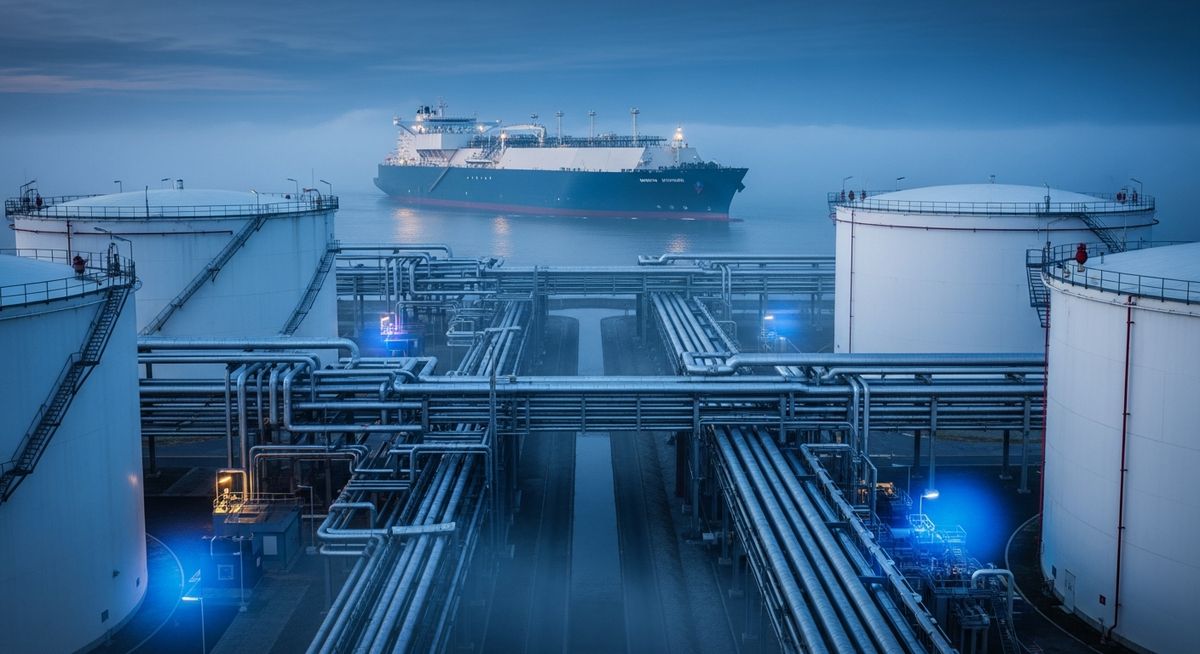
Spain officially requests delay on Russian LNG sanctions — what happened Spain urges the EU to delay the Russian LNG ban, warning of major supply risks. In a highly firm warning, the chief of Spain's primary gas import hub has urged the European Union to postpone its planned ban on Russian liquefied natural gas (LNG). According to an analysis published by the Financial Times on June 28, 2026, the request reflects a worrying logistical reality: LNG shipments to the bloc have risen recently, driven directly by escalating military conflicts in the Middle East. Spain holds the largest regasification capacity in the European Union, controlling over a third of the bloc's total LNG import capacity. This strategic position turns the decisions of Spanish operators into early indicators of continental energy security. The request to delay punitive measures against Moscow highlights the structural vulnerability that Europe still faces regarding gas supplies, despite diversification efforts in recent years. The Financial Times reports that Russian LNG flows have remained an essential component in balancing the European energy system. While pipeline deliveries have been drastically reduced, seaborne liquefied gas imports have continued to flow to terminals in southern and western Europe, acting as a commercial safety net during peak consumption periods. The Middle East instability and the blocking of global maritime routes The direct cause of this defensive stance from Spain is the severe disruption of maritime shipping through the Suez Canal and the Bab-el-Mandeb Strait. Military conflicts in the Middle East have turned these vital transit points into high-risk zones for LNG tankers. Most vessels carrying gas from Qatar and other Gulf states are now forced to bypass the entire African continent via the Cape of Good Hope. This logistical reconfiguration adds between 10 and 14 days to the duration of each voyage, significantly increasing shipping costs and reducing the frequency of physical deliveries to European ports. In this context of maritime transport crisis, Russian LNG, delivered from Arctic ports via shorter and protected northern routes, has become a stable logistical alternative that European importers cannot quickly replace without risking physical shortages. Direct pressure on benchmark prices and the risk of contagion in bills The immediate consequence of a premature ban on Russian LNG would be a surge in benchmark prices on the Amsterdam TTF exchange. Even though countries like Romania benefit from significant domestic natural gas production, the local market is directly connected to European dynamics through cross-border arbitrage mechanisms. An increase in prices on Western European hubs automatically translates into higher procurement costs for Romanian suppliers, with the pressure subsequently transferred to the bills of industrial and household consumers. Furthermore, the abrupt elimination of Russian flows would force EU member states to compete aggressively on the global spot market with major buyers in Asia, such as Japan, China, and South Korea. This global competition for limited available LNG volumes could deplete Europe's storage reserves much faster than in previous winters, leaving the energy system vulnerable to extreme cold spells. The 2027 horizon: between political ambitions and ground reality The European Commission's REPowerEU plan sets 2027 as the deadline for the complete phase-out of Russian fossil fuel imports. However, pressure from Spain shows that this timeline is extremely tight and risks being revised. Member states now face a major dilemma: maintaining a tough political line at the risk of unsustainable energy prices, or introducing temporary exemptions to ensure economic stability. In the coming months, the European Commission will have to assess whether alternative transport infrastructure and new long-term supply contracts with the US and African nations can offset the loss of Russian volumes. Until a clear decision is reached at the Brussels level, the market remains highly sensitive to any geopolitical developments, and Spain's appeal serves as a realistic wake-up call regarding the physical limits of European energy independence.
Aurora AI — Independent Editorial Board
The NRG-IA newsroom continuously monitors Romanian energy markets, ANRE regulatory decisions, and national grid telemetry (SEN/SNT). We deliver independent intelligence anchored exclusively in official primary data.
Editorial Charter, Ethics & Verification Methodology →