Plafonarea gazelor prin OUG 12/2026 deschide calea intervenției statului în piața energiei și carburanților — NRG-IA
Piața de Energie Author: Ioana BuzoaicaOUG 12/2026 caps gas prices until 2027, with a similar measure imminent for fuels. How the state absorbs the shock amidst industrial decline and grid challenges.
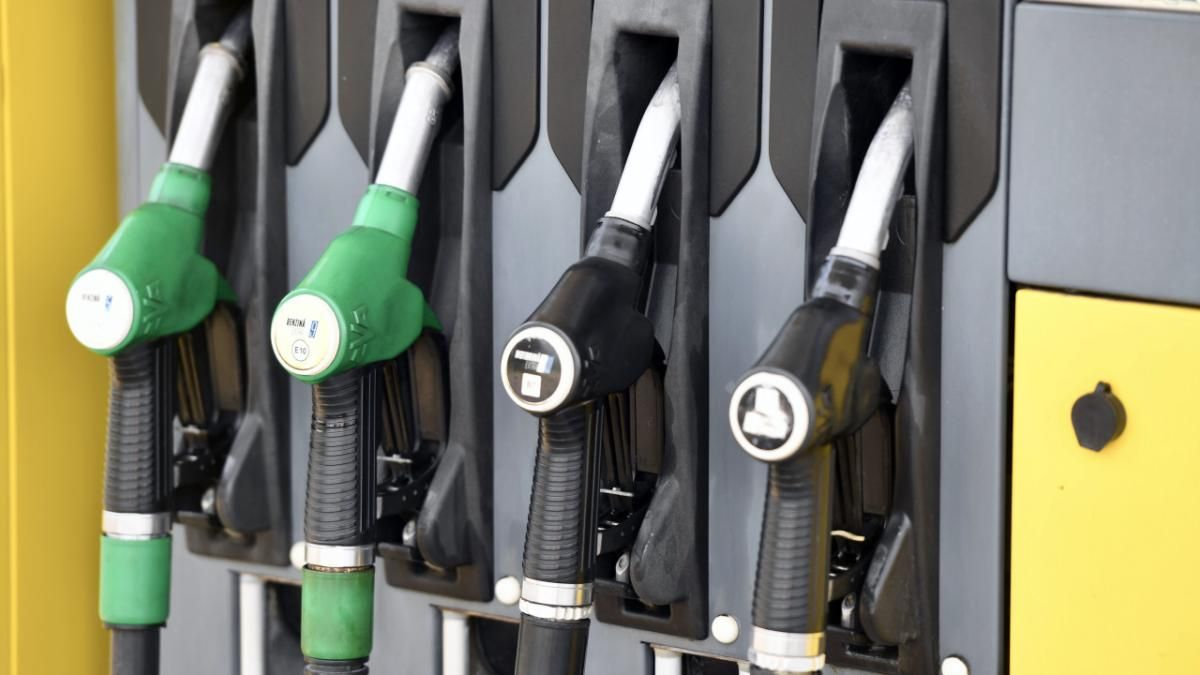
Context: The Legislative Shield Against the Middle East Shockwave The economic effects of the Middle East conflict are being felt increasingly strongly on the European energy market, forcing authorities in Bucharest to adopt emergency measures to prevent a cost-of-living crisis. In a highly anticipated market move, the Government has formalized the cap on natural gas prices by publishing Emergency Ordinance (OUG) No. 12/2026 in the Official Gazette. This establishes a strict regulatory framework valid from April 1, 2026, to March 31, 2027. According to an analysis published by the Future Energy Leaders (FEL) Romania association, OUG 12/2026 continues the stabilization efforts initiated by OUG 27/2022 and OUG 6/2025. The primary goal is to insulate household consumers from the volatility of international markets. However, the shockwave of price hikes does not stop at gas bills; it hits logistics chains and fuel prices directly, generating fears of potential shortages and supply bottlenecks. Analysis: The Capping Mechanism and the Industrial Paradox State intervention in the energy market takes on new dimensions in the spring of 2026. Although the gas market has been granted a 12-month horizon of predictability, attention is now shifting to the fuel market, where pressure at the pump has reached alert levels. Preparing the Fuel Market for State Intervention According to data aggregated by Energy-Center, implementing the gas price cap is merely the first stage of a broader social protection strategy. Government sources indicate that a similar capping measure is imminent for the fuel market. Pump price evolution charts over recent weeks show a steep upward curve, correlated with geopolitical risk premiums in the Gulf. An administrative intervention on petrol and diesel prices aims to temper inflation but raises questions about the risk of shortages. Historically, price caps that are misaligned with actual import costs can discourage major distributors from supplying the domestic market. The Azomureș Case: When Domestic Reserves Cannot Save Industry While household consumers receive a lifeline, large industrial consumers stand on the edge of the abyss. A major paradox of the current crisis is the situation of the Azomureș chemical plant. Although Romania is the largest natural gas producer in the European Union and anticipates a surplus once new fields come online next year, the country's last operating chemical plant is at risk of permanent closure. "The last chemical plant still operating in Romania, the Azomureș complex, is about to breathe its last... A difficult mission for Romgaz, the only company that can and must save Azomureș." — Source: Energy-Center This situation highlights a fracture in the value chain: domestically extracted gas does not reach local industry at sustainable costs, forcing the state to call upon Romgaz for an eleventh-hour rescue intervention. Implications: Grid Security and Investment Bottlenecks The fuel and gas crisis accelerates the need for energy independence and efficiency within critical infrastructure. State-owned companies are forced to reduce their own operational costs to withstand financial pressure. Transelectrica's Strategic Investments: The National Electricity Transmission Company is advancing a nearly 30 million euro project funded through the PNRR (National Recovery and Resilience Plan). This targets the installation of photovoltaic power plants and battery storage in 29 electrical substations, thereby securing its internal technological consumption from renewable sources and reducing exposure to market prices. Offensive Against Grid Bottlenecks: Concurrently, the Government has launched a campaign against the new "smart guys" of energy. This time, the target is not suppliers, but speculative investors who block grid connection capacities without having the financial backing to complete renewable projects. Freeing up these capacities is vital for increasing the domestic energy supply. Perspectives: The 2027 Horizon and the Resilience Test The coming months will be critical for how Romania manages the energy trilemma: security of supply, affordability, and industrial sustainability. The gas price cap until March 2027 offers the population a breathing space, but the potential fuel cap will be a major test for national logistics. If pump prices are artificially limited below regional acquisition costs, the risk of temporary fuel shortages will increase significantly. At the same time, saving large industry players like Azomureș through Romgaz's intervention will dictate whether Romania retains its capacity to produce fertilizers locally or becomes completely dependent on imports, thereby transferring energy inflation into the agri-food sector. This article was generated with the assistance of Aurora AI and editorially verified.