De ce apar Hidroelectrica și Romgaz în noua discuție despre monetizarea activelor statului — NRG-IA
Piața de Energie Author: Aurora AIDiesel prices rose by 38.8% in the region after six weeks of conflict in Iran. Romania secures US waivers for the Lukoil refinery and seeks World Bank funds.
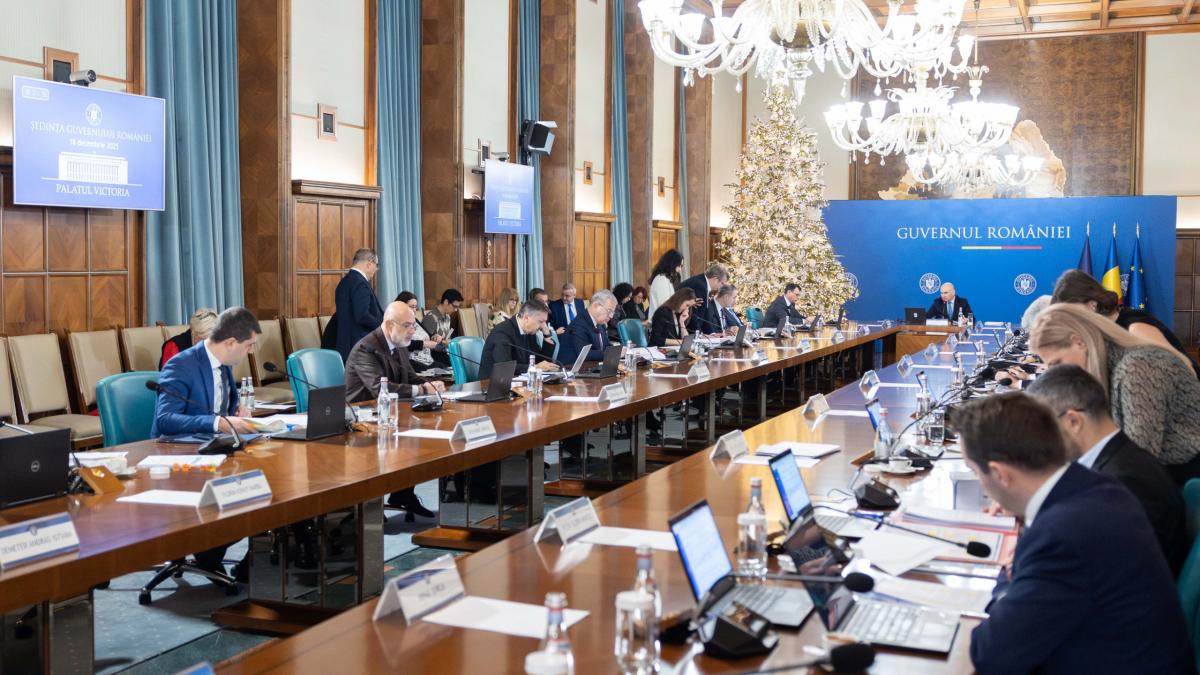
Economic Impact of the Iran Conflict on Southeast Europe Six weeks after the outbreak of the war in Iran, the regional energy market is experiencing a massive shock in fuel prices. Official data from the National Revenue Agency (NRA) in Bulgaria indicates an alarming 38.8% increase in diesel prices and a 19.9% rise for gasoline. This development puts immense pressure on regional supply chains at a time when the security of trade routes through the Strait of Hormuz remains uncertain. The warning issued by the director of the International Energy Agency (IEA) deepens concerns: Europe risks running out of jet fuel within the next six weeks if trade flows are not restored or compensated through alternative sources. In this context, the stability of the Romanian retail market depends on the ability to secure stocks and keep processing units active. Reactivating Petrotel Lukoil Refinery and the Diplomatic Offensive in Washington To counter the shortage of petroleum products, Energy Minister Bogdan Ivan announced that a critical waiver was obtained from the United States Government to restart the Petrotel Lukoil refinery. The decision is considered essential for balancing domestic and regional diesel demand, as pump prices are directly influenced by the local availability of refined products. Parallel to the emergency refining measures, a government delegation including Finance Minister Alexandru Nazare and Investment Minister Dragoș Pîslaru held talks in Washington with World Bank Group President Ajay Banga. The agenda focused on financing strategic projects at Cernavodă, which are vital for Romania's long-term energy independence amidst the instability in the Middle East. Structural Reforms to Combat Market Volatility On the domestic front, Prime Minister Ilie Bolojan outlined five directions of action to address bottlenecks in the energy sector. The head of the Executive identified speculative projects in the power grids and the lack of performance in state-owned companies as aggravating factors for high prices. The Prime Minister's Chancellery has already proposed tightening grid connection conditions to eliminate "paper projects" that block the system's technical capacity. "Energy is an essential field, and the current situation, marked by volatility and speculative bottlenecks, must be remedied through concrete measures of debureaucratization and real investments," stated Prime Minister Ilie Bolojan. While the Government attempts to stabilize the market, the European Commission has opened an in-depth investigation into the state aid intended for the refurbishment of Unit 1 at Cernavodă. The outcome of this evaluation will be crucial for the implementation timeline of the nuclear project, considered the central pillar of Romania's decarbonization and security strategy in the face of external geopolitical crises. This article was generated with the assistance of Aurora AI and editorially verified.
Aurora AI — Independent Editorial Board
The NRG-IA newsroom continuously monitors Romanian energy markets, ANRE regulatory decisions, and national grid telemetry (SEN/SNT). We deliver independent intelligence anchored exclusively in official primary data.
Editorial Charter, Ethics & Verification Methodology →