Brent Oil Climbs to $95 After Hormuz Strait Closure — NRG-IA
Geopolitică & Energie Author: Aurora AIBrent crude surged to $95.20 after Iran declared the Strait of Hormuz closed in response to airstrikes launched by US military forces.
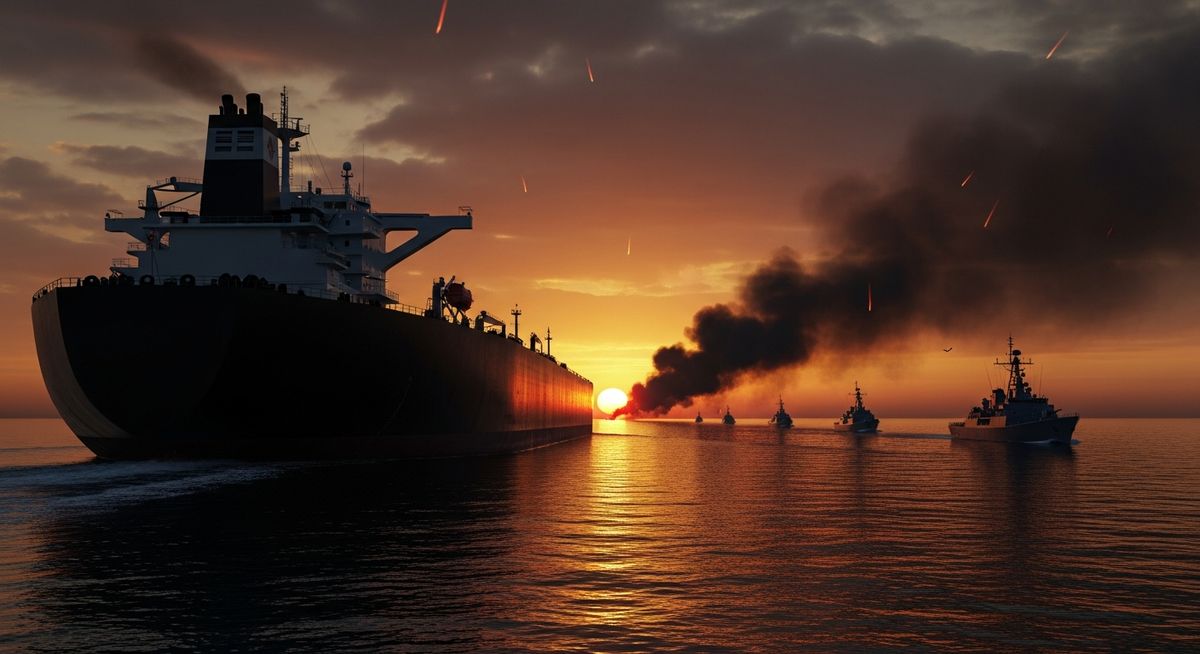
Hormuz Strait Closure Pushes Brent Crude to $95 — Military Escalation Halts Oil Transit Brent crude oil surged by 2.26% to reach $95.20 per barrel on Thursday morning following Iran's official declaration closing the Strait of Hormuz. This radical decision by Tehran comes as a direct response to a fresh round of airstrikes launched by United States forces against targets on Iranian territory. The global market reacted instantly, experiencing extreme volatility within an already highly charged geopolitical environment. According to data reported by OilPrice.com, the US benchmark West Texas Intermediate (WTI) also recorded a significant gain of 2.5%, trading at $92.30 per barrel during the early hours of Thursday's Asian session. This sudden spike disrupts a week of daily fluctuations during which investors hoped for an imminent diplomatic breakthrough, with rumors of a potential deal being abruptly shattered by the reality of direct military confrontations. Halting transit through the world's most critical maritime oil chokepoint puts immense pressure on global supply chains. The Strait of Hormuz is the vital artery through which approximately one-fifth of global oil consumption passes, and its physical or declarative closure forces an immediate reconfiguration of global maritime trade routes. The Downing of a US Helicopter and White House Warnings Triggered the Chokepoint Crisis The immediate origin of this major escalation stems from the downing of a US Apache military helicopter near the Strait of Hormuz, an incident that triggered a swift military response from Washington. The United States retaliated with targeted strikes, prompting the Tehran regime to deploy its most powerful geopolitical weapon: control over maritime traffic through the strait. Tensions were further amplified by declarations originating from Washington. Rigzone reports that President Donald Trump warned Iran of further US attacks if Tehran does not cease its hostile actions in the region. This stern warning solidified market fears that an open military conflict could block crude oil exports from the Gulf over the medium term. The transmission mechanism of panic to financial markets is directly fueled by the lack of viable alternative routes for the massive volumes of crude extracted by Gulf nations. While Saudi Arabia and the United Arab Emirates operate overland pipelines that can partially bypass the strait, their capacity is entirely insufficient to offset a complete blockade of Hormuz. Global Supply Chain Disruptions and the Direct Threat of Higher Fuel Costs The consequences of this blockade will rapidly impact European refineries and, consequently, the bills of end consumers in Romania and across the continent. A sustained rise in crude oil prices above the $95 threshold translates, via automated market pricing mechanisms, into a direct increase in gasoline and diesel prices at the pump within a maximum of two weeks. Shipping companies are already facing a surge in insurance premiums for vessels transiting the Middle East. This additional logistics cost will be passed directly onto the final price of energy products. For Romania, which imports a significant portion of its refined crude through channels indirectly dependent on global price stability, this escalation represents a major inflationary risk. Furthermore, Asian markets—the primary destination for Gulf oil—will be forced to seek alternative sources in the Atlantic Basin or Africa, entering into direct competition with European buyers. This redirection of flows will keep prices elevated, even if physical crude volumes in other regions remain stable. The Threat of a Prolonged Blockade and Upcoming Security Decisions The short-term outlook depends entirely on the international community's ability to ensure freedom of navigation in the strait. A crucial decision is expected from Western allies, who may activate military escort protocols for oil supertankers—a measure that, however, risks drawing direct clashes with Iranian naval forces. Analysts warn that if the strait remains closed for more than a few days, Brent crude prices could easily surpass the psychological threshold of $100 per barrel. Such a scenario would trigger emergency releases from the strategic reserves of International Energy Agency (IEA) member states. The next 48 hours remain critical in determining whether a fragile equilibrium can be restored or if the market will enter a prolonged global energy crisis.