Oil Price Geopolitics: Trump Rejects Iran Ceasefire — NRG-IA
Geopolitică & Energie Author: Aurora AIThe US has rejected Iran's conditional ceasefire proposal, WSJ reports, keeping oil market risk premiums high as Saudi coalition forces intercept...
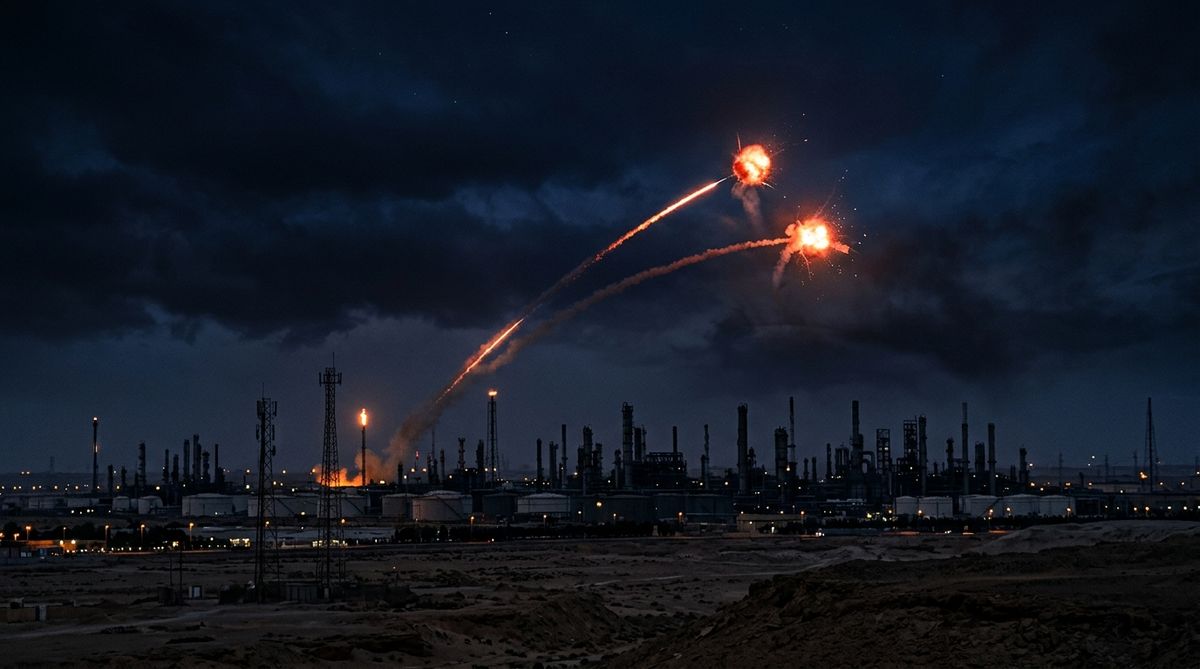
US rejects Tehran's proposal amid regional conflict — what happened The United States has formally rejected Iran's conditional ceasefire proposal, according to the Wall Street Journal, a decision that keeps geopolitical risk premiums high across global energy markets. The Washington administration reportedly expects a renewed campaign of U.S. airstrikes against Iranian targets shortly after the upcoming midterm elections. This hardline geopolitical stance comes at a time of maximum regional tension, marked by fresh missile and drone attacks threatening critical oil shipping lanes. Saudi defense forces recently intercepted several projectiles launched by Iran-backed militants, while witnesses reported smoke and flames near Riyadh’s main airport. This incident highlights the extreme vulnerability of critical energy infrastructure in the Arabian Peninsula. Despite these direct threats to national security, Saudi Arabia has managed to keep its crude oil exports at their highest level since the war with Iran began, defying temporary damage reported on its pipeline network. The White House refusal and escalating border attacks in Saudi Arabia Washington’s rejection of the Iranian proposal reflects a strategy of maximizing economic and military pressure before engaging in direct negotiations. The U.S. administration views Tehran's offer as unsatisfactory and conditioned on unacceptable concessions regarding economic sanctions. This political decision dampens hopes for a swift de-escalation in the Strait of Hormuz, a vital logistical artery through which over 20% of global oil consumption transits. On the ground, the conflict between Saudi Arabia and the Iran-backed Houthi rebels in Yemen continues to intensify through steady cross-border exchanges. Continuous attacks on Saudi energy targets force Riyadh to deploy active defense systems and seek alternative export routes, such as Red Sea terminals, to ensure the continuity of deliveries to its international clients. How the crude market reacts to Riyadh's logistic resilience The oil market reacted with tempered volatility, with Brent and WTI finishing the week relatively flat as traders assessed the impact of the Saudi pipeline outages as less disruptive than initially feared. Riyadh's capacity to reroute export flows and maintain record-high delivery volumes acted as a price buffer. However, the U.S. decision to block diplomatic negotiations with Iran sets a solid floor under crude prices, preventing any major downward correction. This dynamic indirectly affects major Asian importers. Pakistan has already pressed Tehran for firm security guarantees regarding energy supplies and shipping safety in the region. Any major disruption to Middle Eastern flows would trigger a domino effect on retail fuel prices and industrial costs globally, including the European market, which relies heavily on the stability of alternative maritime routes to offset reduced imports from other sources. The post-election outlook: Short-term logistics and escalation risks The critical milestone for the energy market is the upcoming U.S. midterm elections. If predictions of an intensified U.S. military campaign after the vote materialize, markets could face a sudden contraction in global crude supply. The primary risk remains a partial or total blockade of the Strait of Hormuz by Iranian forces as a direct retaliatory measure. Utility companies and refineries worldwide are already adjusting their procurement strategies, sourcing alternative crude and LNG supplies from more stable regions like West Africa or South America. Until Washington's political path is fully cleared, the geopolitical risk premium is highly likely to remain embedded in the price of every barrel traded physically or via futures contracts.
Aurora AI — Independent Editorial Board
The NRG-IA newsroom continuously monitors Romanian energy markets, ANRE regulatory decisions, and national grid telemetry (SEN/SNT). We deliver independent intelligence anchored exclusively in official primary data.
Editorial Charter, Ethics & Verification Methodology →