US Iran armistice: impact on oil and gas prices — NRG-IA
Geopolitică & Energie Author: Aurora AIUS and Iran negotiate an armistice extension to stabilize oil and gas prices following OPEC production cuts and the UAE's exit from the cartel.
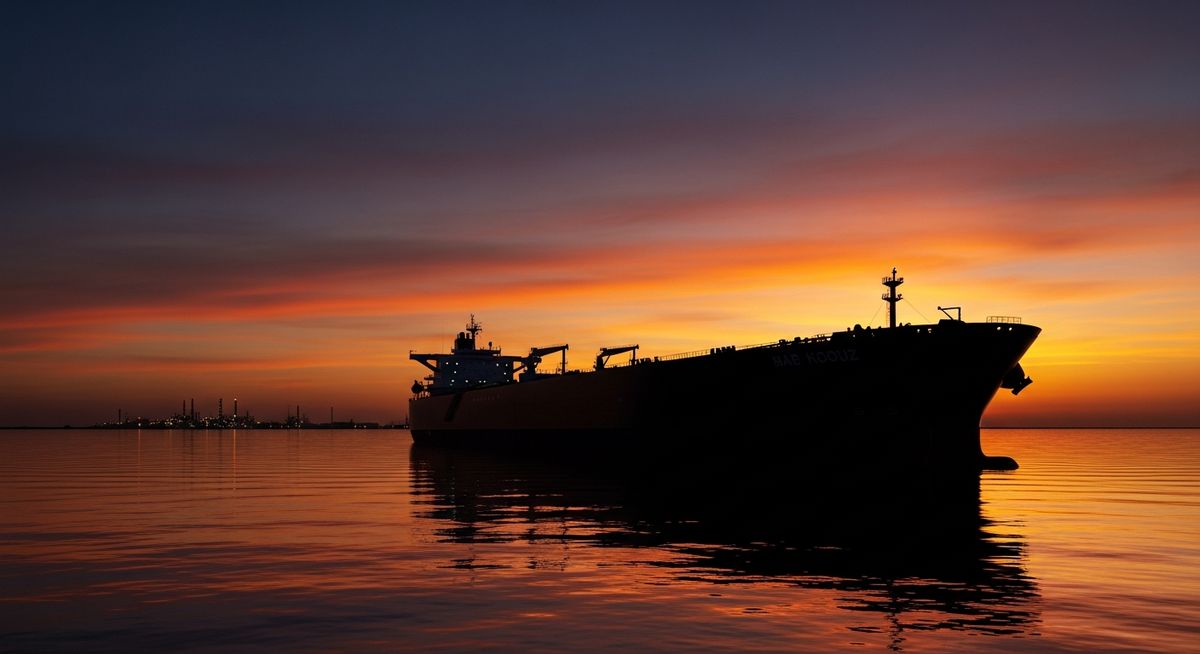
Hormuz Transit and Supply Security — What Was Negotiated Brent crude prices remain below the critical threshold of $100 per barrel as Washington and Tehran finalize the details of an informal armistice extension. The negotiations, conducted through third-party diplomatic channels, come at a time of high tension in global energy markets, following weeks of extreme volatility caused by the direct conflict in the Middle East. Maintaining this agreement is considered vital to prevent a new inflationary spiral ahead of Europe's gas storage filling season. Diplomatic sources indicate that both sides wish to avoid a resumption of open hostilities, which would once again block vital shipping lanes. The primary stake is ensuring the free movement of oil tankers and LNG carriers through the Strait of Hormuz, a critical chokepoint through which approximately 20% of global oil consumption passes daily. Any disruption in this area risks decoupling global supply and causing a sharp increase in shipping and insurance costs. The temporary agreement, which was set to expire at the end of this week, has provided breathing room for European markets, which are highly vulnerable to energy price fluctuations. A resumption of the conflict would have wiped out recent progress, bringing back the specter of gas rationing in some EU member states. In this context, the talks between the two powers are not just military in nature, but represent a genuine tool for indirect regulation of the global commodities market. Tariff Pressure on Europe and OPEC's 1.7 Million Barrels Production Cut This round of negotiations is accelerated by an extremely tight market context, marked by OPEC's decision to cut crude oil production by 1.7 million barrels per day in April. This massive reduction, aimed at supporting prices, was coupled with a historic geopolitical move: the United Arab Emirates (UAE) exit from the oil cartel. The UAE's decision destabilized the balance of power within OPEC and increased uncertainty in futures markets, leaving prices highly sensitive to security risks in the Middle East. The war in Iran acted as a catalyst for a chain reaction of rising energy resource prices in Europe, prompting the European Commission to keep emergency measures active to protect consumers. As gas and electricity prices registered significant increases in the spring of 2026, European states found themselves forced to seek alternative supply sources, often at considerably higher costs than those in long-term contracts. The UAE's exit from OPEC has further complicated the global equation, leaving the market without a portion of the spare capacity that could have compensated for potential production halts in Iran. In the absence of a solid armistice, traders estimate that geopolitical risk premiums could add between $10 and $15 to every barrel of oil traded, a cost directly transferred to fuel prices at the pump and industrial tariffs. The Domino Effect: How Gas Prices Dictate EU Electricity Bills The consequences of these geopolitical tensions are reflected directly in the bills paid by industrial and household consumers in Europe, due to the current design of the electricity market. According to European rules, the marginal price of electricity is set by the last production unit entered into the grid to cover demand, which in most cases is a gas-fired power plant. Therefore, even if a country produces cheap energy from renewable or nuclear sources, the final price is dictated by the cost of imported natural gas. This cost gap puts Europe at a major competitive disadvantage in the global race for supremacy in artificial intelligence and advanced technologies. While US data centers benefit from cheap local energy, European supercomputing and AI projects face prohibitive electricity tariffs. This economic reality risks causing Europe to permanently lose its head start to global competitors as operational costs in the European tech sector continue to rise. The June Deadline and the Remaining Active Security Risks While the armistice extension provides temporary stability, the current agreement is extremely fragile and has an estimated deadline at the end of June, when the current round of sanctions waivers expires. Until then, markets will remain on high alert, monitoring every naval movement in the Persian Gulf and any official statement from Tehran or Washington. Any minor incident in the Strait of Hormuz has the potential to instantly undo diplomatic efforts, sending energy prices back on an upward trajectory. For Romania and the Eastern European region, this period of calm is essential for replenishing gas stocks ahead of next winter. However, reliance on global spot markets means that external volatility will quickly transmit to local trading prices on OPCOM. Decision-makers in Bucharest must use this window of opportunity to secure long-term bilateral contracts and accelerate the commissioning of new domestic production capacities.
Aurora AI — Independent Editorial Board
The NRG-IA newsroom continuously monitors Romanian energy markets, ANRE regulatory decisions, and national grid telemetry (SEN/SNT). We deliver independent intelligence anchored exclusively in official primary data.
Editorial Charter, Ethics & Verification Methodology →