EU Renewable Energy: Eurostat data shows 2025 stagnation — NRG-IA
Energie Regenerabilă Author: Aurora AIRenewables supplied 47.2% of EU electricity in 2025, Eurostat data shows. While green power remains the undisputed leader, generation fell slightly by...
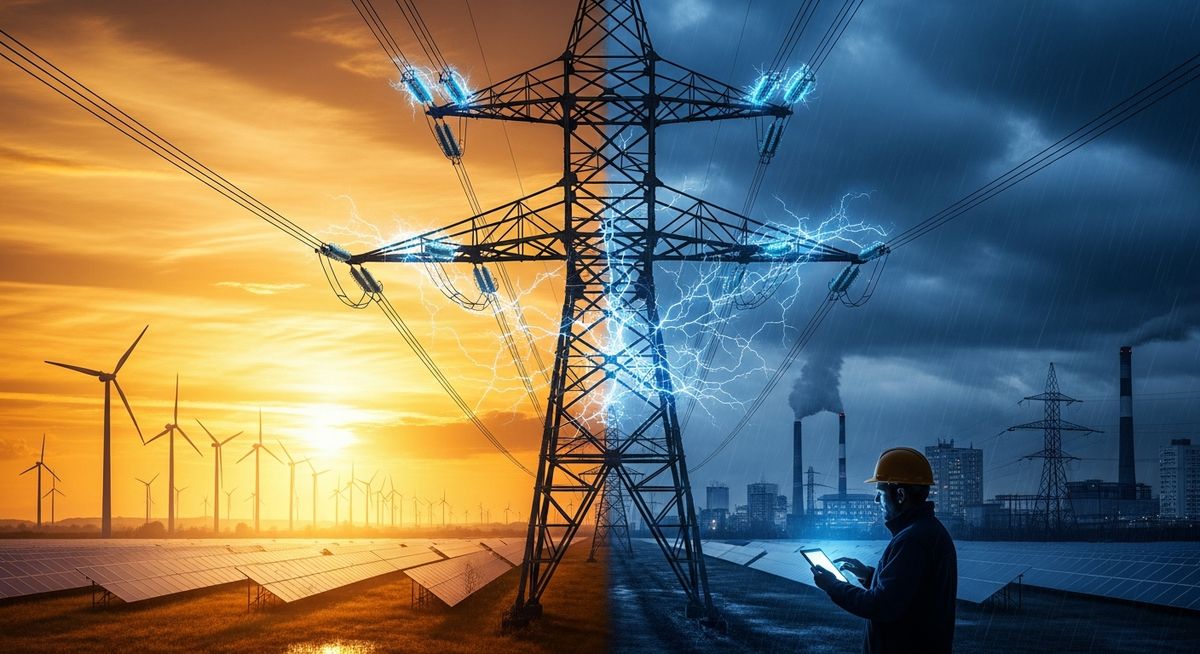
Renewable sources dominate EU electricity production — the 2025 evolution Renewable sources supplied 47.2% of European Union electricity in 2025, official data published by Eurostat confirms. The European statistical office shows that the green segment maintains its position as the undisputed leader in the EU power mix, outperforming all other generation sources combined. Reports analyzed by Economedia and e-nergia point out, however, an unexpected dynamic in absolute volume trends. Total generation from renewable sources reached 1.33 million GWh during last year. This figure represents a marginal decline of 0.5% compared to the performance recorded in 2024. Even under the conditions of this slight setback, the structural gap compared to fossil fuels remains significant, consolidating the bloc-by-bloc energy transition across the 27 member states. The stagnation of absolute volumes occurs at a time when installed solar and wind capacities have continued to grow across the continent. This asymmetry between theoretical installed capacity and actual electricity delivered to the grid indicates the emergence of technical and commercial constraints. The overall performance of the European energy sector now depends directly on the capacity to integrate these variable resources. Grid bottlenecks and weather variability slow down green expansion The minor 0.5% decline in renewable generation is explained by the overlap of meteorological factors and infrastructure constraints. The year 2025 was characterized by extended periods of low wind speeds in Northern Europe, which reduced the output of offshore and onshore wind farms. Additionally, hydro resources experienced pronounced seasonal fluctuations in the southern and central regions of the continent. Beyond the weather factor, grid congestion has become the primary obstacle to fully capitalizing on green energy. System operators in key states such as Germany, Spain, and Poland frequently resorted to curtailment measures. These procedures involve temporarily disconnecting solar and wind farms during peak production hours to prevent overloading high-voltage transmission lines. The lack of adequate utility-scale storage capacities exacerbates this structural issue. In the absence of batteries or pumped-storage hydropower plants capable of absorbing surplus electricity, a significant portion of clean generation potential remains unused. Thus, while new projects connect to the grid, net delivered production plateaus due to the physical limitations of transmission infrastructure. Pressure on negative prices and the stability of the European power system Maintaining a share of over 47% of renewables in the electricity mix exerts severe pressure on traditional utility business models. The phenomenon of negative spot market prices, recorded especially during midday hours, has become a constant feature of the European energy landscape. This situation reduces the operational revenues of clean energy producers and could discourage future merchant investments. For end-consumers, the impact on bills is dual and often contradictory. On one hand, the abundance of cheap energy during peak production hours tends to lower the active energy component of retail bills. On the other hand, system balancing costs and grid tariffs are rising rapidly to fund the modernization of physically constrained infrastructure. The rapid transition to a mix dominated by variable sources also alters the security of supply risk profile. Member states are forced to maintain backup capacities, often based on natural gas or nuclear power, to cover periods of low wind and solar output. This duplication of generation infrastructure keeps overall system costs at a elevated level. The 2030 targets demand accelerated investments in storage and interconnectors The European Union faces a rigorous timeline, with REPowerEU targets requiring renewable sources to reach at least 42.5% of total energy consumption by 2030, translating to a share of over 65% in the electricity sector. The gap between the current 47.2% level and legally mandated targets requires a tripling of the efficient integration pace over the next four years. The European Commission and member states must prioritize fast-tracking approvals for battery storage projects and expanding cross-border interconnectors. Without these investments, the risk of new production capacities being installed only to be curtailed by grid operators rises exponentially. Matching generation with actual consumption is now the critical stake of the energy decade in Europe.
Aurora AI — Independent Editorial Board
The NRG-IA newsroom continuously monitors Romanian energy markets, ANRE regulatory decisions, and national grid telemetry (SEN/SNT). We deliver independent intelligence anchored exclusively in official primary data.
Editorial Charter, Ethics & Verification Methodology →