WTI Oil Prices Surge 8% on Iran Strait of Hormuz Threat — NRG-IA
Energie Author: Aurora AIWTI oil surged 7.8% after Iran halted talks with the US and threatened to block the Strait of Hormuz, a critical chokepoint carrying 20% of global crude.
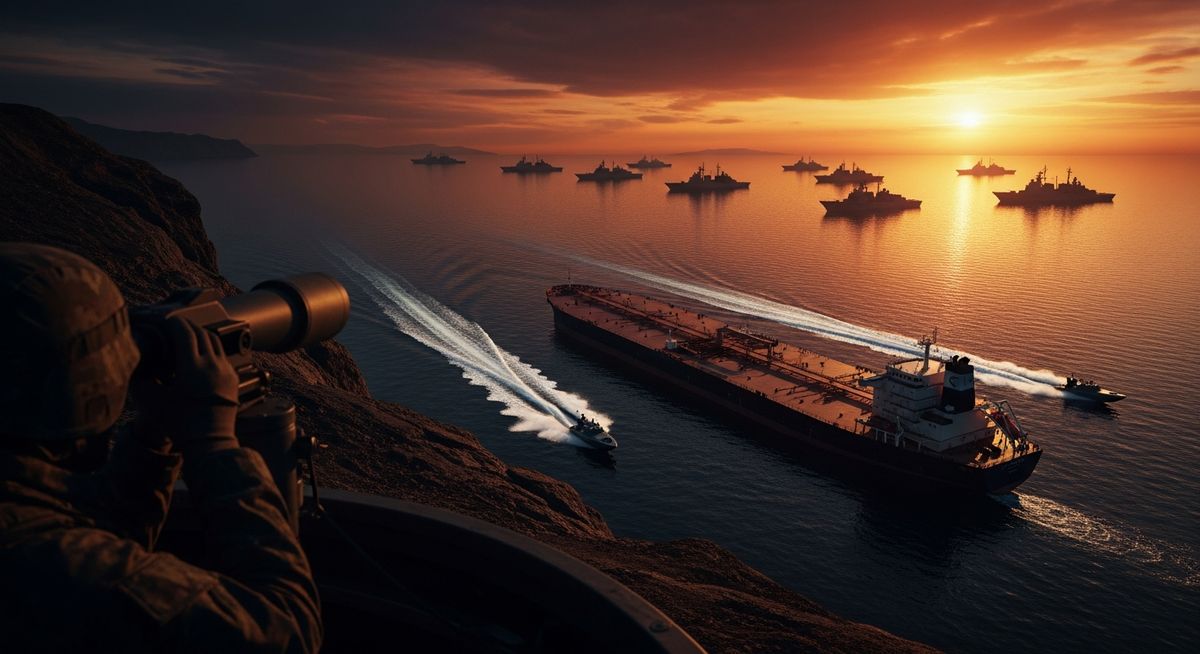
Middle East diplomatic deadlock triggers sharp 8% spike in global oil prices West Texas Intermediate (WTI) crude prices jumped 7.8% on Monday, reaching $94.20 per barrel by 10:07 a.m. ET, following Iranian state media reports that Tehran will halt talks with the US, according to data compiled by CNBC Energy. The global benchmark Brent crude also registered a significant 6.7% increase, climbing to $97.23 per barrel. Iran’s state-affiliated news agency Tasnim reported that Iranian negotiators will refuse any talks with Washington until military escalations cease. Tehran is now threatening to completely block the Strait of Hormuz, a critical chokepoint for global oil transit. Energy markets, which had recorded major declines in the previous week, reacted instantly to the risk of a physical disruption in crude flows. This volatile development marks a sharp trend reversal. Last week, futures contracts for Brent and WTI fell by 11.1% and 9.6%, respectively, marking their worst weekly performance since mid-April. However, historically, oil prices have accumulated a growth of approximately 30% since the outbreak of the regional military conflict, which began on February 28, 2026. Military escalation in Lebanon and Tehran's strict diplomatic conditions Tehran's decision to suspend diplomatic channels is a direct reaction to the advancing Israeli ground forces. Israeli Prime Minister Benjamin Netanyahu recently welcomed the capture of Beaufort castle in southern Lebanon, describing it as a decisive shift in the offensive against Hezbollah. This escalation has drawn harsh criticism from European officials, who warn of the risk of an all-out regional war. According to Tasnim, Iran will not return to the negotiating table until Israel halts its attacks in Gaza and Lebanon and withdraws from occupied areas. Furthermore, Tehran has threatened to open other maritime fronts, including the Bab el-Mandeb Strait, which connects the Red Sea to the Gulf of Aden. Meanwhile, US President Donald Trump attempted to calm market anxieties via social media. Trump claimed on Truth Social that Iran "really wants to make a deal," presenting a narrative that directly contradicts the official stance broadcast by Tehran's state media, creating a major discrepancy between political rhetoric in Washington and the reality on the ground. The threat of a Hormuz blockade and its direct impact on fuel prices The Strait of Hormuz is the world's most vital transit chokepoint, carrying roughly 20% of global oil consumption. Any physical disruption to tanker traffic through this narrow passage would immediately trigger massive supply deficits on global markets. Although Iran frequently uses this threat as diplomatic leverage, the mere mention of a blockade triggers panic among international traders. For European consumers, this geopolitical tension translates directly into higher fuel prices at the pump. Even though countries like Romania produce a portion of their domestic oil, local fuel prices remain tightly bound to international Brent crude benchmarks, which determine Platts quotations. A sustained rise in crude oil will automatically make gasoline and diesel more expensive at local filling stations within days. Moreover, high energy prices act as a hidden tax on the entire economy. Increased logistics and freight transport costs will quickly reflect in food and consumer goods prices, fueling inflationary pressures that central banks are struggling to control. The extreme $180 per barrel scenario and the risk of global recession The short-term outlook depends entirely on the ability of global actors to avoid direct military conflict in the straits. Energy consultancy Rystad Energy warns that a complete collapse of diplomatic negotiations could propel oil prices to a peak of $180 per barrel by August 2026. Jorge León, head of geopolitical analysis at Rystad, notes that such an extreme spike would likely trigger a severe global recession. However, market analysts from Goldman Sachs and other institutions urge caution, noting that threats to close the Strait of Hormuz are often deployed as diplomatic leverage. A physical blockade would likely trigger a massive military response from the US-led international coalition. In the absence of an immediate ceasefire in Lebanon, energy markets will remain highly volatile. The informal deadline is dictated by ground military dynamics: every day of Israeli military advance pushes Tehran further from the negotiating table and maintains pressure on global energy bills.
Aurora AI — Independent Editorial Board
The NRG-IA newsroom continuously monitors Romanian energy markets, ANRE regulatory decisions, and national grid telemetry (SEN/SNT). We deliver independent intelligence anchored exclusively in official primary data.
Editorial Charter, Ethics & Verification Methodology →