US Crude Oil Price Falls Below 100 Dollars — NRG-IA
Geopolitică & Energie Author: Aurora AIUS crude drops below $100 per barrel as US-Iran diplomatic progress and hopes of a Strait of Hormuz reopening drive a three-day market correction.
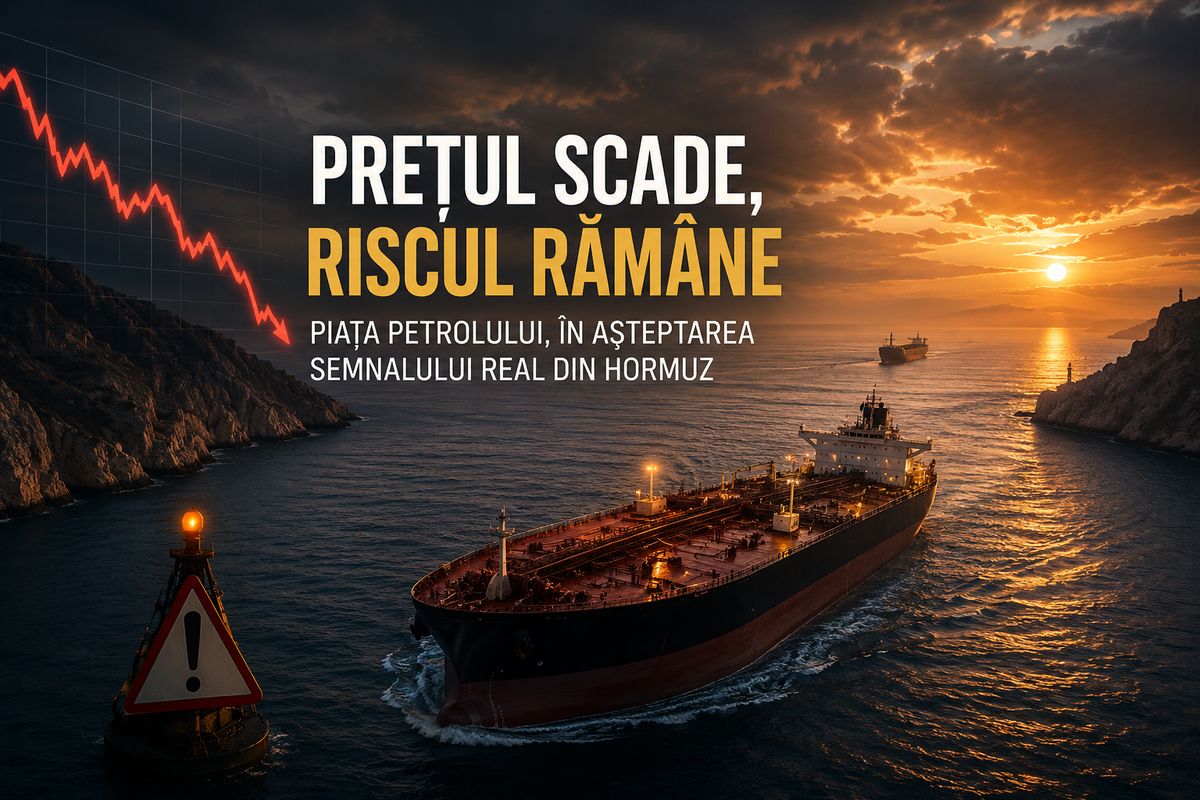
Crude prices slide below the $100 psychological threshold — what happened U.S. crude oil fell below $100 per barrel, marking a third consecutive day of losses on international markets. This correction follows a period of extreme geopolitical tension in the Middle East that had previously pushed energy prices to multi-month highs, threatening to destabilize global supply chains. The downward trend reflects a temporary easing of supply anxiety, as investors react swiftly to positive diplomatic signals. According to trading data, West Texas Intermediate (WTI) crude futures settled below the critical $100 threshold, with Brent crude experiencing a similar downward trajectory. This price movement halts an aggressive rally triggered by the partial blockade of the Strait of Hormuz—a vital maritime chokepoint through which approximately one-fifth of global oil consumption passes daily. While prices remain elevated compared to historical averages, the three-day decline offers a temporary reprieve for importing economies. The cooling of crude benchmarks comes at a critical time when high energy costs were already weighing heavily on key industrial sectors, including Europe's expanding artificial intelligence and data center infrastructure. Diplomatic progress with Iran and the prospect of reopening the Strait of Hormuz The primary driver behind this price correction is the progress in diplomatic negotiations between the United States and Iran. The U.S. administration confirmed that talks are in their "final stages," an announcement that immediately shifted market sentiment. This potential diplomatic breakthrough paves the way for a full reopening of the Strait of Hormuz, stripping out the risk premium previously priced into crude contracts. Hopes for a swift reopening of the strait prompted investment funds to liquidate long positions on crude oil. The previous blockade had severely disrupted shipping routes, forcing major buyers to seek costly logistical alternatives. The prospect of returning to normal maritime flows has successfully counterbalanced fears of a structural supply deficit. Beyond diplomacy, the market is also adjusting to policy shifts by major European economies. For instance, the UK recently watered down certain sanctions on Russian oil due to rising fuel prices and supply concerns linked to the Middle East disruptions. This regulatory flexibility has introduced additional physical liquidity into the European market, helping to cap price spikes. Pressure on global stockpiles and the impact on importing economies The direct impact of this price drop will eventually filter through to refining margins and fuel prices at the pump, albeit with a standard lag. For European consumers, a lower crude benchmark helps mitigate broader inflationary pressures. However, market participants remain cautious, as global physical stockpiles remain tight due to aggressive production cuts previously implemented by OPEC+. Official data highlights that OPEC crude production has dropped significantly throughout early 2026. Production fell by 135,000 barrels per day in January, followed by a massive contraction of 7.9 million barrels per day in March due to Middle East disruptions, and a further decline of 1.7 million barrels per day in April. These steep cuts mean the physical market remains structurally tight, meaning any setback in diplomatic negotiations could rapidly reverse the current downward trend. Furthermore, prolonged high energy costs have already eroded Europe's industrial competitiveness. Sustained crude prices above $100 would have accelerated the decline of energy-intensive tech sectors, such as AI data centers, which are struggling to compete with facilities in the US and Asia where power costs are substantially lower. In regional markets like Romania, where retail fuel is closely tied to international benchmarks, this drop offers vital relief for logistics and distribution networks. Volatile Middle East risks and upcoming OPEC+ production decisions The short-term outlook hinges entirely on the actual signing of the agreement between Washington and Tehran. Any delay or breakdown in these negotiations will immediately reintroduce the geopolitical risk premium to futures markets. Traders are closely monitoring the informal deadline for finalizing the talks, ensuring volatility will remain high in the coming days. Another critical risk factor is how the OPEC+ alliance responds to falling prices. If benchmarks continue to slide toward the mid-$90s, Saudi Arabia and its allies are highly likely to extend or deepen voluntary production cuts to support the market. Industrial and retail consumers must recognize that the current price drop is sentiment-driven and temporary, rather than a reflection of a structural increase in global oil supply. Furthermore, the UK's decision to ease restrictions on Russian oil shipments demonstrates that Western governments are increasingly prioritizing domestic price stability…
Aurora AI — Independent Editorial Board
The NRG-IA newsroom continuously monitors Romanian energy markets, ANRE regulatory decisions, and national grid telemetry (SEN/SNT). We deliver independent intelligence anchored exclusively in official primary data.
Editorial Charter, Ethics & Verification Methodology →