Trump Demands Exxon and Chevron Cut Pump Prices — NRG-IA
Geopolitică & Energie Author: Ioana BuzoaicaDonald Trump demands Exxon and Chevron cut fuel prices after posting $26B+ in combined profits, amid political pressure over $4.10/gallon gasoline.
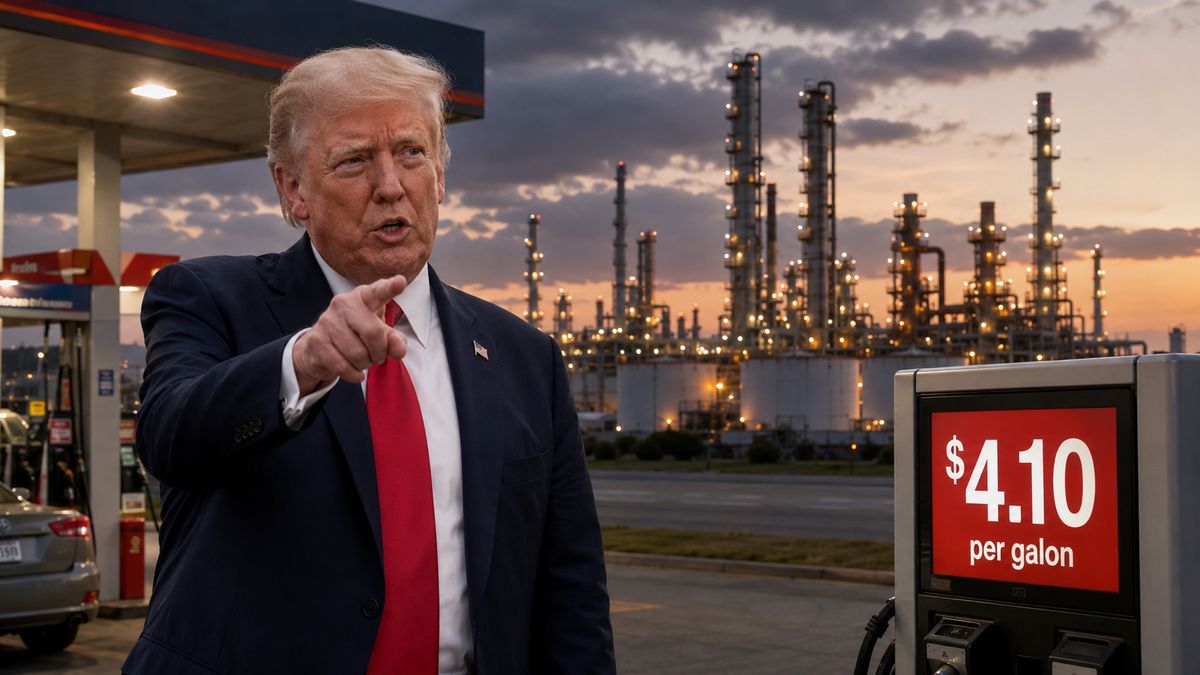
US President Donald Trump has demanded that ExxonMobil and Chevron lower the fuel prices paid by consumers, just days after the two companies reported some of their strongest quarterly results in years. ExxonMobil announced an adjusted profit of $14.7 billion for the second quarter, while Chevron reported $12 billion . Together, they earned nearly $27 billion . Trump publicly accused the two groups of reaping excessive profits amid high fuel prices and stated that a portion of the benefits should be returned to consumers. His demand was explicit: the companies should reduce the retail price, meaning the actual price paid at the pump. Exxon and Chevron did not immediately respond to Reuters' requests for comment regarding the president's remarks. The confrontation comes at a sensitive time for the US administration. The national average price of gasoline stands at around $4.10 per gallon and has risen by more than 30% compared to the period before the escalation of the conflict with Iran, according to Reuters. Consequently, fuel costs are becoming a political issue ahead of the congressional elections in November. The same conditions driving up gasoline prices are boosting industry profits The results from ExxonMobil and Chevron demonstrate how strongly integrated oil companies have benefited from the shifting market. ExxonMobil increased its adjusted profit by 67% compared to the first quarter , reaching $14.7 billion—the company's best quarterly performance in four years. Adjusted profit from oil and gas production was approximately $9.2 billion , while refining contributed $4.1 billion . Chevron reported an adjusted profit of $12 billion , its highest quarterly level in at least six years. Oil and gas production activities generated $8.2 billion , while refining and marketing brought in approximately $4.9 billion , marking the segment's best performance since the beginning of the decade. Together, the two companies generated approximately $9 billion from refining and associated segments , during a period when low fuel inventories and Middle East disruptions pushed refining margins to exceptionally high levels. This is the economic side of the political tension: the very conditions that force consumers to pay more for fuel are simultaneously favorable to the companies that produce oil and refine it into fuel. However, the pump price does not equal oil company profit The link between Exxon and Chevron's profits and the $4.10 paid by American drivers is not direct. The US Energy Information Administration (EIA) breaks down the price of gasoline into four main components: crude oil costs, refining costs and profits, distribution and marketing, and taxes . In May 2026, the latest month for which the agency published a complete breakdown in that series, a gallon of regular gasoline averaged $4.479 . Of this price: 51.9% represented the cost of crude oil; 21.7% refining costs and profits; 14.8% distribution and marketing; 11.5% taxes. These percentages describe the price structure for May and should not be mechanically applied to August prices. However, they demonstrate that refining is only one of the links making up the driver's final bill. Even the 21.7% component attributed to refining does not represent pure profit. It includes both the costs of processing crude oil and the margins earned by refiners. Therefore, the fact that Exxon and Chevron reported exceptional profits does not mean that the gap between a "normal" price and the $4.10 pump price can be closed by a simple corporate decision. Crude oil matters most, but refining can amplify the trend Crude oil remains the single most important component of gasoline prices. In the second quarter, the average closing price of Brent crude was approximately $96.68 per barrel , 23% above the average for the first three months of the year, according to Reuters. The increase was fueled by the conflict in the Middle East and shipping restrictions through the Strait of Hormuz. At the same time, low fuel inventories and limited refining capacity boosted margins for converting crude into gasoline, diesel, and other products. Chevron stated that its US refineries recorded record processing volumes in the second quarter, with downstream segment profits reaching $4.9 billion. The result is a rare, highly favorable combination for integrated companies: high oil prices support upstream production, while strong refining margins add profit at the next stage of the value chain. For the consumer, these same two components translate in the opposite direction: more expensive crude and costlier refining put upward pressure on gasoline prices. Exxon and Chevron do not set prices for all gas stations on their own There is another major limitation to Trump's demand: the company whose brand appears on a gas station is not necessarily the owner of the retail outlet. Chevron states that over 95% of its branded stations in the United States are independently owned and operated . These…