Trump Demands Gas Price Cuts: Chevron Warns No Quick Fix — NRG-IA
Geopolitică & Energie Author: Ioana BuzoaicaDonald Trump orders a federal probe into Big Oil for price gouging, but Chevron warns that lowering retail gasoline prices will take time.
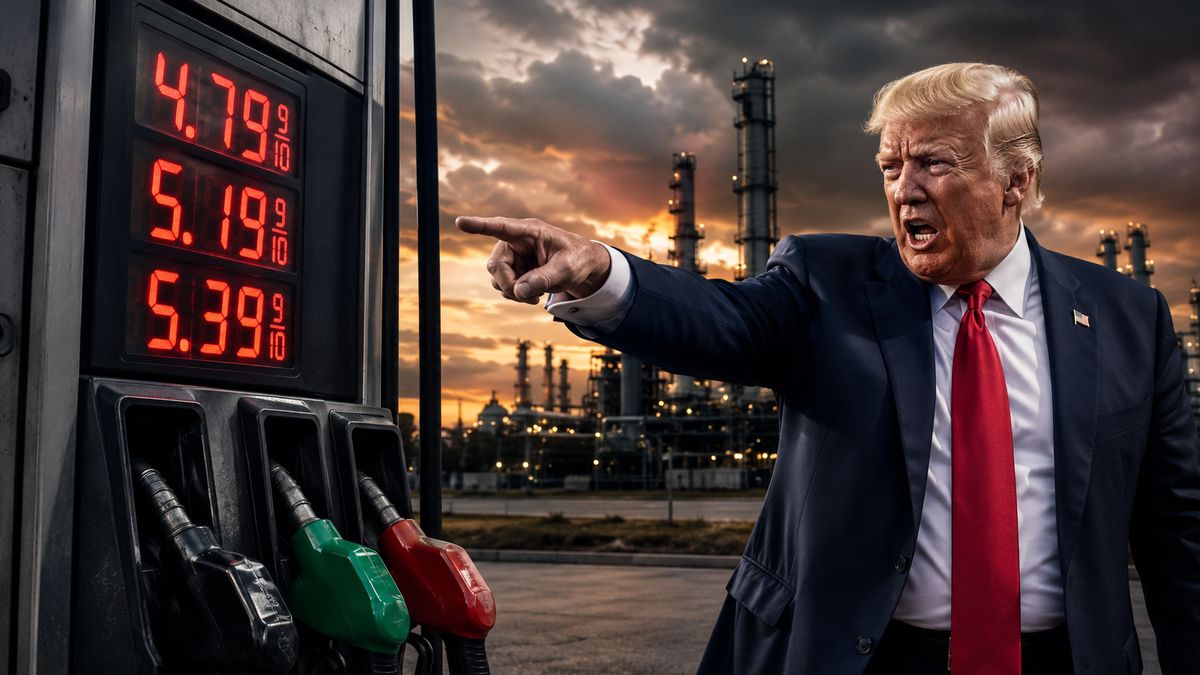
The emergency probe into Big Oil — what happened President Donald Trump has ordered an emergency federal investigation into major oil companies, accusing them of price gouging at the pump and demanding an immediate reduction in retail gasoline prices. The executive move comes amid mounting political pressure on the US administration, as high fuel prices continue to squeeze household purchasing power and fuel public discontent. The energy industry’s response, however, was swift and uncompromising. Representatives from energy giant Chevron publicly warned that there is no magic formula or quick fix for lowering gasoline prices, emphasizing that structural adjustments in production and refining require physical time and massive long-term capital investment. In a firm statement, Chevron’s leadership pointed out that price dynamics are dictated by complex market forces, not political decrees. In NRG-IA’s assessment, this public clash highlights a profound rift between populist political rhetoric and the operational reality of the global hydrocarbon market. While the White House seeks domestic scapegoats to appease voters, Big Oil corporations point to strained supply chains and global crude oil benchmarks as the real drivers behind high retail prices. Middle East conflict and refining bottlenecks keep global benchmarks elevated Escalating geopolitical tensions, particularly the military conflict involving Iran, remain the primary external driver keeping global oil prices elevated. This instability in the Middle East has disrupted critical shipping lanes and significantly raised insurance risk premiums for maritime transport. Even in the optimistic scenario of a swift end to hostilities, the European Union and financial analysts warn that energy prices will not immediately return to baseline levels due to systemic imbalances. In addition to geopolitical risks, global refineries are operating near their upper capacity limits but face record logistics costs and a chronic lack of investment in new crude processing units. Global fuel demand remains robust, especially during the peak summer driving season, making any politically mandated price cuts economically unsustainable for distributors without triggering widespread shortages. The domino effect: from retail pumps to European gas and electricity bills The pressure on oil markets coincides with severe volatility in natural gas markets. In the United States, physical natural gas spot prices recently surged as a massive summer heat dome settled over the continent, driving record-breaking electricity demand for air conditioning. This global volatility is transmitted directly to Europe, where natural gas prices continue to dictate the marginal price of electricity, despite the expansion of renewable energy. Although wind and solar successfully reduced average electricity prices in the European Union by 24% during key periods, gas remains the critical balancing fuel. Consequently, any global hydrocarbon price shock, fueled by the Iran conflict or US regulatory decisions, automatically translates into higher utility bills for European consumers, further dampening the region's industrial competitiveness. The risk of investment freezes and the federal probe timeline The federal investigation ordered by Donald Trump risks triggering the exact opposite of its intended effect. Aggressive political pressure and the threat of punitive measures or windfall taxes could prompt major oil companies to scale back capital expenditure on upstream exploration and production, choosing instead to return capital to shareholders through stock buybacks. The aggressive timeline demanded by the White House for visible price cuts at the pump clashes with the reality of energy investment cycles, which are measured in years. Over the medium term, the primary risk is that these political interventions will discourage the development of new refining capacities, leaving the global market even more vulnerable to future Middle East geopolitical shocks or extreme weather events.
Ioana Buzoaica — Independent Editorial Board
The NRG-IA newsroom continuously monitors Romanian energy markets, ANRE regulatory decisions, and national grid telemetry (SEN/SNT). We deliver independent intelligence anchored exclusively in official primary data.
Editorial Charter, Ethics & Verification Methodology →