Trump proposes 20% Strait of Hormuz toll — NRG-IA
Geopolitică & Energie Author: Aurora AIDonald Trump proposes a 20% toll on Strait of Hormuz cargo and reinstates the Iran blockade, triggering immediate surges in global oil prices.
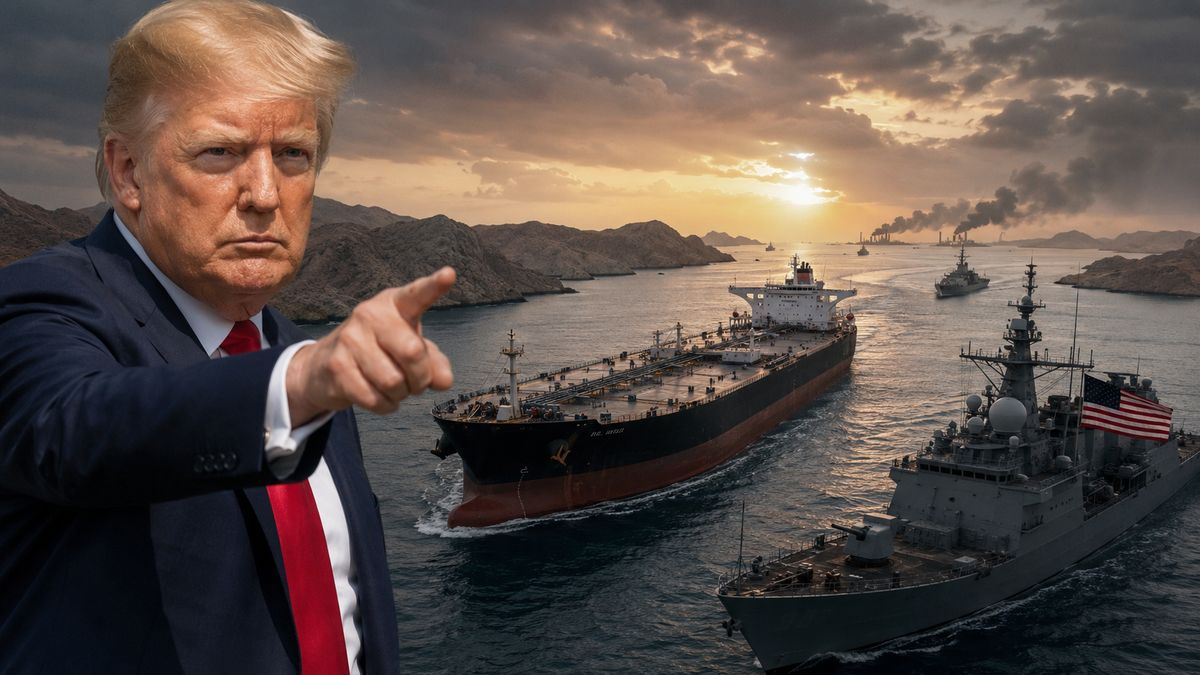
The 20% cargo toll and the naval blockade — what happened Donald Trump is proposing a 20% toll on cargo passing through the Strait of Hormuz while reinstating a naval blockade on Iranian ships. This major decision follows a rapid escalation of the military conflict in the Middle East, marked by intense airstrikes. The White House announcement immediately disrupted global financial markets and maritime trade flows. The new transit charge proposed by the U.S. administration is designed to reimburse military security expenditures in the region. The Strait of Hormuz is the world's most critical oil transit chokepoint, handling one-fifth of global consumption daily. Any disruption at this vital bottleneck threatens supply chains from Asia to Europe. In parallel, reinstating the naval blockade directly halts Iran's crude oil exports to international markets. The United States has revoked previous trading authorizations, signaling a return to its maximum pressure policy. This move effectively nullifies previous ceasefire understandings established between the two nations. Commercial ship traffic through the strait has already fallen steeply over the past 48 hours. International shipowners have rerouted vessels or temporarily halted transits due to safety concerns. Recent incidents involving drone attacks on commercial tankers have turned the area into a high-risk zone. Military escalation and the collapse of diplomatic agreements The military escalation over the weekend was the direct trigger for the new punitive measures announced by Washington. U.S. and Iranian forces exchanged massive missile and drone strikes, contesting control over navigation in the strait. These direct clashes followed repeated attacks on commercial vessels in international waters. Speaking at the NATO summit in Turkey, President Trump declared that the period of diplomatic calm is officially over. His harsh rhetoric was backed by concrete actions from the U.S. Department of the Treasury. The agency imposed severe sanctions on key financiers of Iranian military networks. Additionally, the White House warned that missiles are ready to deter any aggression against U.S. officials. This aggressive stance reflects the complete collapse of peace negotiations in recent months. The absence of a functional diplomatic communication channel increases the likelihood of military miscalculations in the region. Rising oil prices and surging maritime transport costs The energy markets' reaction was instantaneous, with West Texas Intermediate (WTI) crude prices quickly surging past $75 a barrel. This sharp increase reflects investor panic over potential prolonged disruptions to Gulf supply. Global oil benchmarks rallied by more than 7% during this highly tense week. The proposed 20% cargo toll threatens to significantly drive up the costs of global logistics. Marine insurance companies have already responded by drastically raising war risk premiums for transiting Hormuz. These additional costs will be passed directly to the final prices of imported goods. For end consumers, including those in Europe, the effects will manifest as higher fuel prices at the pump in the coming weeks. While European markets do not rely directly on Iranian crude, they remain highly sensitive to Brent price fluctuations. Global inflationary pressures risk being reignited by these surging logistics costs. The risk of a prolonged blockade and emergency logistics decisions The next critical deadline is when Washington will present the exact collection mechanism for the 20% transit toll. International allies and global maritime organizations are already questioning the legality of such a toll in international waters. The White House's final decision will determine if the measure is applied unilaterally or through bilateral agreements. The major risk remains a total closure of the strait by Iran in response to the increased U.S. military presence. Such an event would force all commercial vessels to take much longer alternative routes, such as the Cape of Good Hope. This logistical alternative adds up to two weeks to transit times and increases fleet fuel consumption. In this environment of maximum uncertainty, energy sector companies must urgently revise their contingency plans. Diversifying supply sources and securing alternative logistical routes are now absolute priorities to mitigate risks stemming from the Middle East.
Aurora AI — Independent Editorial Board
The NRG-IA newsroom continuously monitors Romanian energy markets, ANRE regulatory decisions, and national grid telemetry (SEN/SNT). We deliver independent intelligence anchored exclusively in official primary data.
Editorial Charter, Ethics & Verification Methodology →