Crimea Fuel Crisis: Ukraine Disrupts Russian Supply Lines — NRG-IA
Geopolitică & Energie Author: Aurora AIUkraine disrupts Crimea's fuel supply via drone strikes on the Rostov-Mariupol route. Residents face 10-hour queues and fuel rationing.
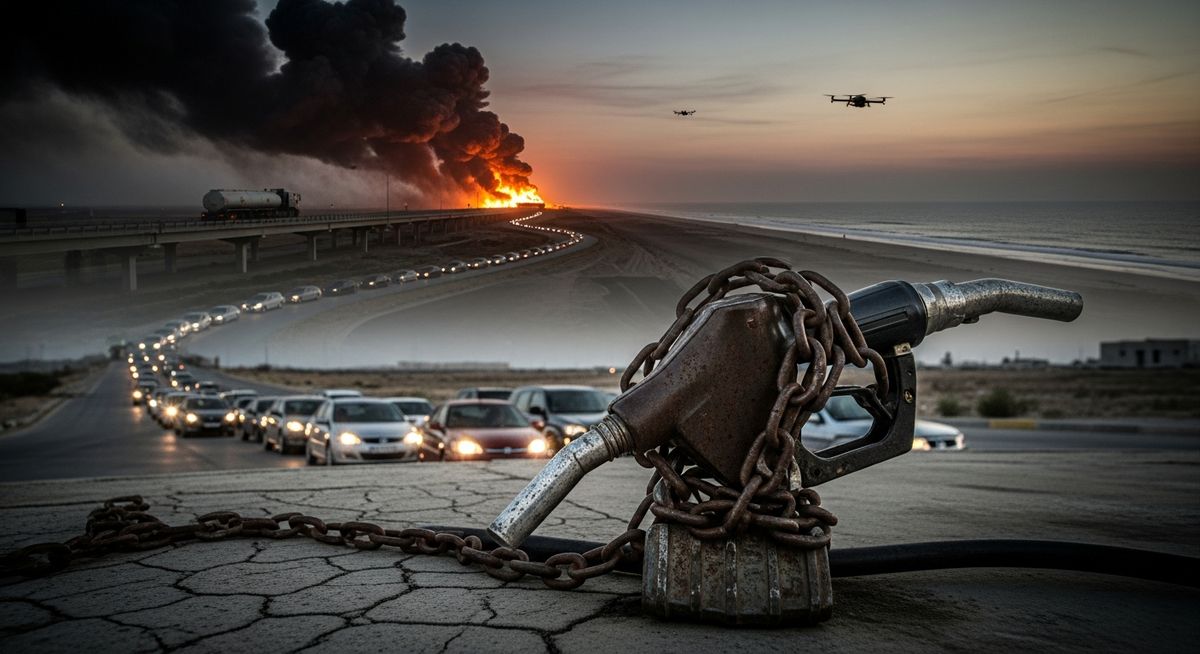
Ukraine Disrupts Crimea's Supply Lines: 20-Liter Rationing and Massive Queues Ukrainian forces have targeted over 300 Russian trucks and fuel tankers since early May, severely disrupting logistics in occupied Crimea. According to a BBC investigation, this sustained drone campaign has choked Moscow's supply networks. The effects are directly felt by civilians and tourists, as the peninsula grapples with acute fuel shortages. Waiting times at local filling stations have spiked to critical levels of up to 10 hours. Occupation authorities in the peninsula have been forced to implement drastic consumption limits. At most petrol stations across Crimea, locals can purchase a maximum of 20 liters of fuel per person. This volume is distributed exclusively through prepaid vouchers, a system reminiscent of strict rationing eras. The measure attempts to preserve remaining fuel stocks for administrative and urgent military operations. Public discontent has begun spreading rapidly across social media platforms. Russian tourists visiting the peninsula for the summer season are voicing intense frustration over the widespread logistical gridlock. Despite official Kremlin efforts to downplay the impact, the reality on the ground highlights a major systemic vulnerability in Russia's controlled transport infrastructure. The Rostov-Mariupol-Crimea Route Under Siege: The Logistics Chokepoint The primary cause of this logistical crisis is the vulnerability of the land corridor in southern occupied Ukraine. Ukrainian strikes have focused heavily on the highway and key bridges connecting the southern Russian city of Rostov-on-Don to Crimea via the occupied port city of Mariupol. This route serves as the vital supply artery for both the Russian military apparatus and civilian administration in the region. Clément Molin, an analyst at the French think tank Atum Mundi, explained to the BBC that this road represents the "backbone of the Russian occupation in the south." Out of the 300 drone strikes documented by the analyst since early May, at least 30 targeted fuel tankers directly. This asymmetric assault demonstrates a tactical shift by Ukrainian forces, targeting the weakest link in the supply chain: road transport. By deploying cheap drones against mobile targets, Ukraine successfully disrupts fuel flows without needing to fully destroy heavy road infrastructure. Each destroyed tanker not only means lost fuel but also deters private transport operators from running this highly dangerous route. This psychological factor amplifies the shortage of drivers willing to risk transiting the corridor into the peninsula. Civilian Transport Paralysis and the Hit to Summer Tourism The economic and social consequences of this partial blockade are redefining daily life in Crimea. Heavily promoted by Moscow as a safe and accessible holiday destination, the peninsula is seeing its summer tourist season severely compromised. Kilometric queues at petrol stations and supply uncertainty have turned vacations for Russian tourists into a logistical ordeal. The impact extends to local economic activities in major hubs like Simferopol. The independent news outlet Bereg reports instances of residents abandoning personal vehicles entirely due to the lack of fuel. One Simferopol resident told Bereg that he now walks to work, adding ironically that his only remaining option would be to buy a horse. Such testimonies directly contradict the official Kremlin narrative of regional stability. While Russia has attempted to reroute fuel supplies via rail or sea ferries, these alternatives are either heavily congested or similarly vulnerable to long-range missile strikes. Dependence on road transport through the southern corridor remains the Achilles' heel of Russian logistics in Crimea. Short-Term Logistical Risks for the Russian Military Apparatus The short-term outlook points to heightened logistical strain as Ukraine intensifies its asymmetric strikes. Crimea holds vital strategic importance for Moscow as the primary launching pad for missile and drone strikes against Ukrainian territory. A prolonged fuel crisis risks directly impacting troop mobility and the operation of Russian air defense systems. Moscow now faces a difficult dilemma: prioritizing military supply lines at the cost of civilian consumption, which risks social unrest, or securing road routes by redeploying additional air defense systems from other active fronts. Without a swift solution to protect tanker convoys, Crimea's fuel deficit could quickly escalate from a civilian logistical issue into a major military bottleneck.