EU Energy Sovereignty Ukraine Moldova Integration — NRG-IA
Energie Author: Aurora AIIntegrating Ukraine and Moldova's grids offers EU a 10 bcm gas storage capacity, securing Eastern Europe against market shocks.
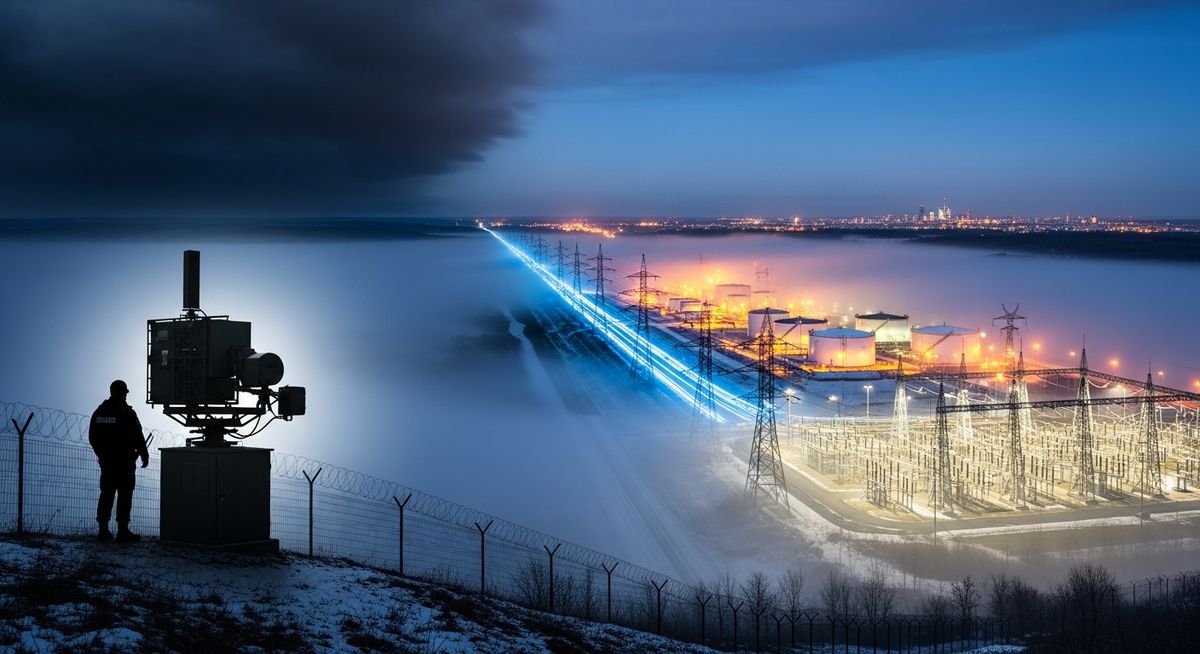
Synchronizing Ukraine and Moldova Grids Blocks Price Shocks in the EU — What Happened The European Union can store up to 10 billion cubic meters of gas in Ukraine, strengthening its energy sovereignty through close cooperation with Kyiv and Chisinau, a report published by the European Council on Foreign Relations (ECFR) reveals. This massive storage capacity offers Central and Eastern Europe a crucial shield against market volatility. Integrating Ukraine and Moldova's electricity and gas networks into the European system represents the central pillar of the new regional security strategy. Romania plays a key role as a logistics hub in this eastern energy corridor, facilitating resource transit and balancing national systems. By utilizing underground storage facilities in western Ukraine, EU member states can store strategic reserves far from vulnerable maritime routes. This measure reduces dependence on liquefied natural gas (LNG) imports from global markets, which are often subject to intense geopolitical pressures. Furthermore, the full synchronization of Moldova's electricity networks with the European ENTSO-E grid reduces the risk of blackouts during peak consumption periods. The Collapse of the Russian Model and OPEC's Fading Control Over Global Prices The need for accelerated integration arose after Europe's violent decoupling from Russian gas imports. In parallel, global energy dynamics have structurally shifted. According to a Council on Foreign Relations analysis on OPEC's vulnerabilities, the oil cartel faces major difficulties in controlling prices due to record non-OPEC production. This loss of unilateral market control forces regional blocs to seek their own supply autonomy. In this context of global uncertainty, the EU can no longer rely on volatile external markets and must develop its own regional resilience mechanisms at the eastern border. Close cooperation with Ukraine and Moldova is not just an act of political solidarity, but a pragmatic necessity for price stability within the Union. The existing infrastructure in these neighboring countries, although partially affected by conflict, represents an underutilized strategic asset that can compensate for the storage deficit in Western Europe. Reducing Spot Prices and Removing Transport Bottlenecks on the Trans-Balkan Corridor Concretely, utilizing underground storage facilities in western Ukraine allows EU member states to purchase cheap gas during the summer and extract it during peak consumption periods. This mechanism reduces pressure on spot prices on European exchanges, preventing sharp increases in bills for domestic and industrial consumers. For Moldova, integration means direct access to the free market and the permanent elimination of historical energy blackmail practiced by Gazprom. However, the trans-Balkan transport infrastructure requires urgent investments to reverse physical gas flows and allow secure bidirectional transport. Romania plays an essential role in modernizing these transport corridors, but sustained European funding is needed to eliminate technical bottlenecks at the borders. Without these upgrades, Ukraine's huge storage capacity remains partially isolated from the rest of the continent. Interconnection Deadlines and Military Risks for the Coming Winter The completion of electricity interconnection projects between Romania and Moldova, scheduled for 2025-2027, represents the next critical threshold for regional security. The Suceava-Bălți high-voltage line is the top priority of this project schedule. The greatest short-term risk, however, remains the destruction of Ukraine's energy infrastructure by systematic Russian attacks on the transmission grid. High-voltage power grids and gas compressor stations require advanced air defense systems provided by European states to ensure the continuity of physical flows. Without these physical security guarantees, the energy sovereignty of the entire Eastern European region remains under continuous threat. Decisions made in Brussels in the coming months regarding the funding of critical infrastructure defense will determine whether Eastern Europe will pass the next winter without major supply crises.