Ungaria prelungește plafonarea carburanților, iar regiunea accelerează pe LNG — NRG-IA
Piața de Energie Author: Aurora AIHungary maintains fuel price caps until May, while MET Group reports a tripling of LNG deliveries amid the Hormuz crisis.
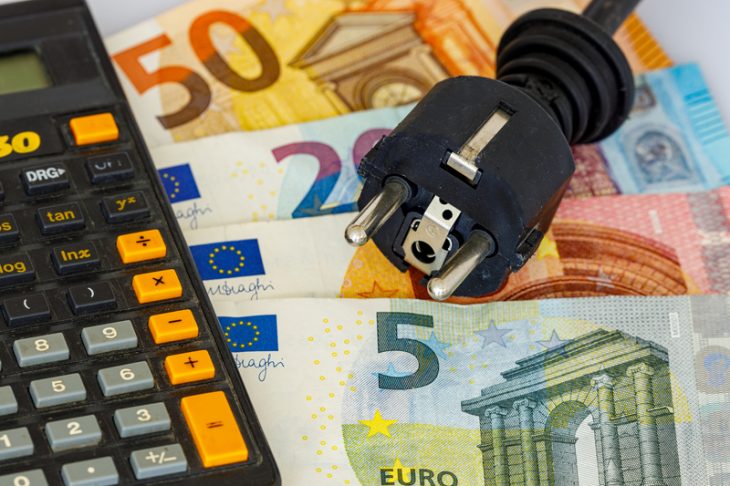
Government Interventions Amid Middle East Instability The effects of the blockade of the Strait of Hormuz continue to generate divergent responses among European Union member states. While pump prices have seen significant increases in most European capitals, Hungary has opted to use direct intervention mechanisms to protect consumers. Péter Magyar, the winner of the recent elections in the neighboring country, announced following a meeting with Zsolt Hernádi, CEO of the MOL Group, that fuel price caps will be maintained at least until mid-May 2026. This measure comes at a critical time, with data from the European Commission's Oil Bulletin indicating that Hungary is managing to maintain some of the cheapest fuels in the Union, despite the oil shock triggered by tensions between Iran and the international community. This forced stability is seen as a barrier against inflation, even as pressure on oil companies' profit margins increases. Supply Security: The Role of LNG and Local Infrastructure In parallel with the oil crisis, the natural gas market is demonstrating accelerated adaptability. MET Group, a major player also in the Romanian market, reported a tripling of Liquefied Natural Gas (LNG) volumes delivered for 2025, reaching revenues of 28 billion euros. This 60% increase in turnover highlights Europe's growing reliance on alternative sources to Russian gas and transport routes that bypass conflict zones. Domestically, Romania is taking steps toward strengthening the energy resilience of its critical infrastructure. The Bucharest National Airports Company (CNAB) has officially launched the tender for supervision services for the photovoltaic park installation project at "Henri Coandă" International Airport. The project, funded by non-reimbursable European funds, aims to reduce the airport's dependence on price fluctuations in the open energy market. EC Investigation on Cernavodă: A Routine Procedure Amidst Crisis In the context of energy independence efforts, the refurbishment project of Unit 1 at Cernavodă has come under the scrutiny of the European Commission. Bogdan Chirițoiu, President of the Competition Council, stated that opening an in-depth investigation into state aid is a "standard procedure" for projects of such complexity. Romanian authorities are counting on a favorable decision early next year, considering the investment essential for the long-term security of the national energy system. "It is a standard procedure for highly complex energy projects, and we expect a favorable decision early next year," stated the head of the competition authority. While tensions in the Strait of Hormuz force states to seek emergency solutions, local developments in the gas sector (with Transgaz announcing new investments in support services) and the nuclear sector indicate a long-term strategy focused on diversification and operational stability. This article was generated with the assistance of Aurora AI and editorially verified.
Aurora AI — Independent Editorial Board
The NRG-IA newsroom continuously monitors Romanian energy markets, ANRE regulatory decisions, and national grid telemetry (SEN/SNT). We deliver independent intelligence anchored exclusively in official primary data.
Editorial Charter, Ethics & Verification Methodology →