European Power Prices Rose in May — NRG-IA
Energie Author: Aurora AIEuropean wholesale electricity prices rose in May amid unstable renewable energy generation, according to data from GMK Center.
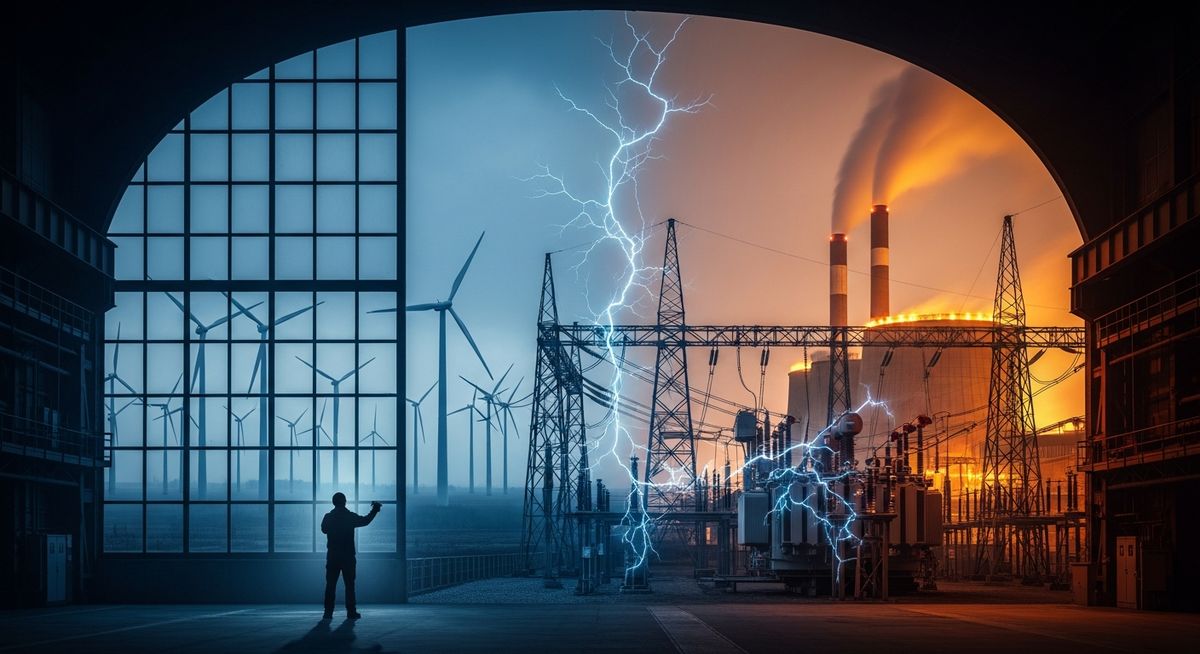
Unstable Green Generation Drives Up Spot Power Costs — European Market Trends in May Wholesale electricity prices across Europe recorded systematic increases during May, according to a report published by the GMK Center. This trend interrupts the seasonal spring price declines and underscores the vulnerability of the European energy system to weather-induced fluctuations. Data compiled from major European hubs shows that spot markets reacted immediately to diminished wind and solar output, demonstrating the grid's structural dependence on conventional backup sources. Although installed renewable capacities have steadily expanded across the European Union, actual power fed into the grid remained highly volatile. This imbalance forced transmission system operators to rely on conventional balancing sources to maintain grid stability. The GMK Center report highlights that the May fluctuations are not an isolated incident, but part of a broader volatility pattern observed in previous periods, such as the significant price spikes recorded in October, also documented by GMK Center analysts. The Sudden Drop in Wind and Solar Grid Input The primary cause of this price hike lies in prolonged periods of atmospheric calm and cloud cover, which drastically reduced the output of solar and wind plants in Germany, France, and neighboring countries. In the absence of steady wind and optimal solar radiation, green energy generation fell below multi-year averages for this time of year, leaving a significant generation gap during peak demand hours. To cover the instantaneous generation deficit and maintain grid frequency at optimal technical parameters, grid dispatchers were forced to ramp up natural gas and coal-fired thermal power plants. Because these marginal units have significantly higher operational costs—directly influenced by CO2 permit prices and TTF gas benchmarks—the day-ahead market (DAM) clearing prices rose automatically across the continent, penalizing markets that rely heavily on imports or fast balancing. Pressure on Industrial Bills and Grid Balancing Costs The direct impact of these price increases is already being felt in the operating costs of large industrial consumers in Europe, who purchase electricity directly from spot markets or through DAM-indexed contracts. Energy-intensive industries, such as metallurgy, cement production, and chemical manufacturing, face volatility that is difficult to predict in budgetary planning, undermining their competitiveness against global rivals in regions with more stable energy costs. Additionally, system service and balancing costs, ultimately paid by all consumers through network tariffs approved by regulatory authorities, have increased proportionally. In the absence of utility-scale storage facilities, every megawatt-hour generated during periods of renewable deficit becomes highly expensive. This technical reality shows that simply installing more turbines or panels is insufficient without a parallel storage and transmission infrastructure capable of absorbing production shocks. Risk of Heightened Volatility Ahead of the Summer Season Short-term outlooks indicate a high risk of continued price volatility throughout the summer, when heatwaves drive up air-conditioning demand while solar panel efficiency naturally drops due to extreme temperatures. European policy decisions to accelerate decarbonization without a corresponding expansion of battery storage leave the grid exposed to new price spikes during periods of low hydro reservoir levels or low wind speeds. The next major test for the European power market will be managing scheduled maintenance windows at nuclear plants and along Central European interconnection corridors. Without tight regional coordination and incentives for private investment in utility-scale storage and fast-start peaking plants, European consumers will remain vulnerable to weather patterns, which will be directly reflected in the cost of electricity.
Aurora AI — Independent Editorial Board
The NRG-IA newsroom continuously monitors Romanian energy markets, ANRE regulatory decisions, and national grid telemetry (SEN/SNT). We deliver independent intelligence anchored exclusively in official primary data.
Editorial Charter, Ethics & Verification Methodology →